
Oct. 22, 2026
The future of digital PET detector technology is evolving rapidly. Nuclear detector modules play a crucial role in this transformation. These modules are essential for improving imaging and diagnostics in medical fields. As advancements in technology continue, we face unique challenges and opportunities. What are the latest trends that can shape these technologies? How will they impact medical imaging and patient care?

The future of digital PET detector technology will focus on increased precision, integration of artificial intelligence, and miniaturization of components. Through these advancements, we can expect improved image quality, faster diagnostics, and more personalized patient care.
New digital PET detectors are being designed to enhance resolution and sensitivity. This leads to clearer images and better diagnosis rates. For example, advanced algorithms help in processing signals with more accuracy, allowing for more detailed images of tissues.
Artificial intelligence is changing the healthcare landscape. In digital PET technology, AI can analyze images more efficiently. This allows doctors to make faster and more accurate decisions based on the findings.
As technology improves, components are becoming smaller and more efficient. Miniaturized detectors can be integrated into portable imaging devices. This means easier access to diagnostic tools in various settings, including remote and underserved areas.
Multi-modal imaging combines PET with other techniques like MRI and CT scans. This offers a more comprehensive view of a patient's condition. New nuclear detector modules are being designed to facilitate this combination, enhancing overall diagnostic capabilities.
Advancements in manufacturing and technology are reducing costs. As a result, digital PET detectors are becoming more affordable. This leads to greater accessibility for hospitals and clinics, improving healthcare in various communities.
The future of digital PET detector technology holds great promise. By focusing on advancements in precision, AI integration, and miniaturization, the field is headed toward improved imaging and diagnostics. The innovations in nuclear detector modules will enhance patient care and streamline medical processes.
1. What is a nuclear detector module?
A nuclear detector module is a component used in PET imaging that detects radiation emitted from a patient's body after they receive a radiopharmaceutical.
2. How does digital PET differ from traditional PET?
Digital PET uses advanced detectors and algorithms to provide clearer images and quicker results compared to traditional PET technology.
3. What role does AI play in digital PET detectors?
AI helps analyze images quickly and accurately, supporting doctors in diagnosing and planning treatments.
4. Why is miniaturization important in digital PET technology?
Miniaturization enables the creation of portable devices, increasing the accessibility of imaging technology in different environments.
5. How can multi-modal imaging improve diagnostics?
By combining different imaging techniques, multi-modal imaging provides a more detailed understanding of a patient's health.
Latest News
Future Trends in Digital PET Detector Technology
The future of digital PET detector technology is evolving rapidly. Nuclear detector modules play a crucial role in this transformation. These modules are essential for improving imaging and diagnostics in medical fields. As advancements in technology continue, we face unique challenges and opportunities. What are the latest trends that can shape these technologies? How will they impact medical
LEARN MORE
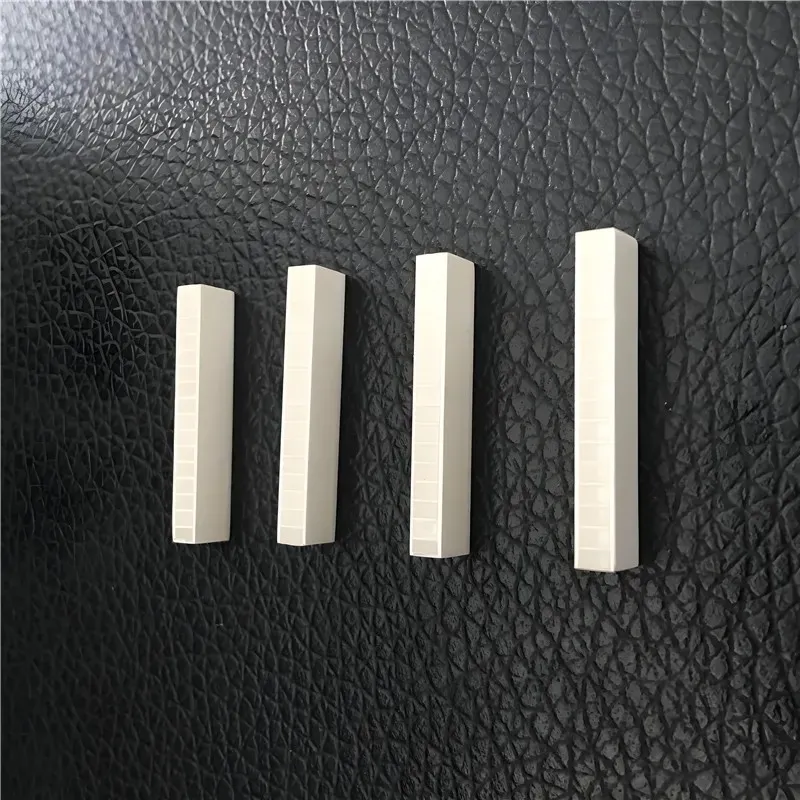
Custom LYSO Crystal Array for PET Detector Modules
The Custom LYSO Crystal Array is essential for enhancing the performance of PET detector modules. Many hospitals and research facilities struggle with the limitations of standard systems. They often need better image resolution and accuracy in medical imaging. The use of LYSO crystals can drastically improve these aspects. These crystals are known for their high stopping power. They also have
LEARN MORE
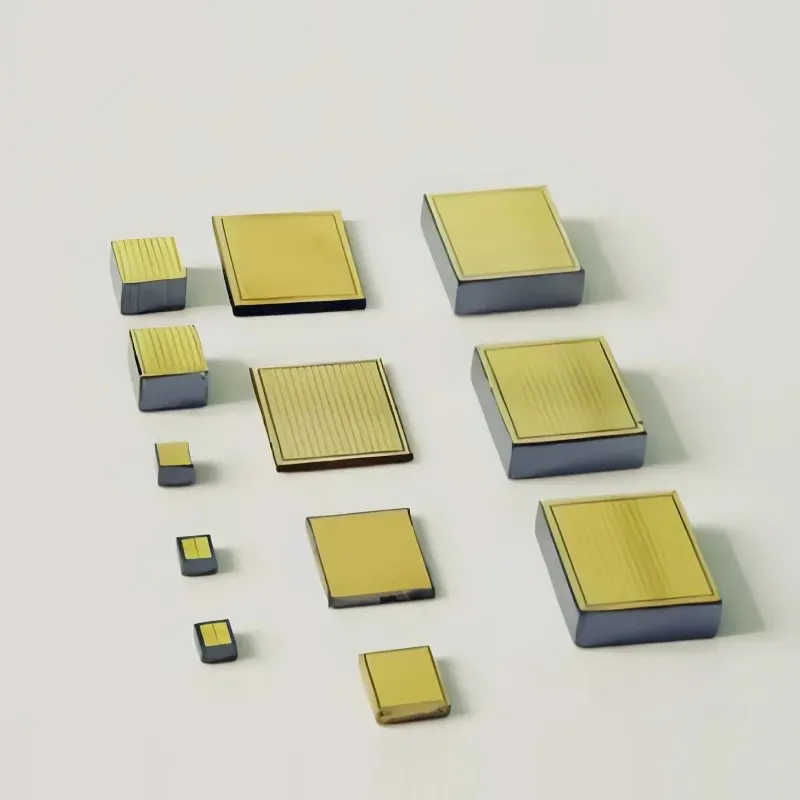
High Light Output LYSO Crystal for Medical Imaging
The high light output LYSO crystal is essential for medical imaging technology. Many people do not realize how crucial it is for accurate diagnoses. In the world of medical imaging, clarity and precision are vital. LYSO, or Lutetium Yttrium Oxyorthosilicate, plays a significant role in improving image resolution. Medical professionals depend on suc
LEARN MORE
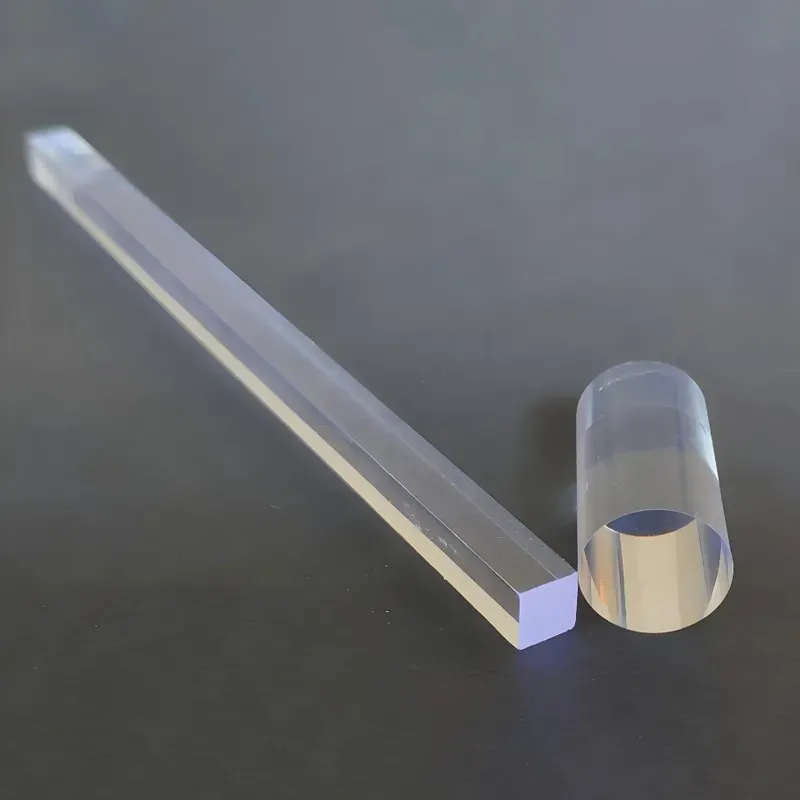
Portable Radiation Detector Using GAGG Crystal
Portable radiation detectors are crucial for ensuring safety in various environments. They help protect us from harmful radiation exposure. The GAGG crystal is a key component in these detectors due to its unique properties.
LEARN MORE
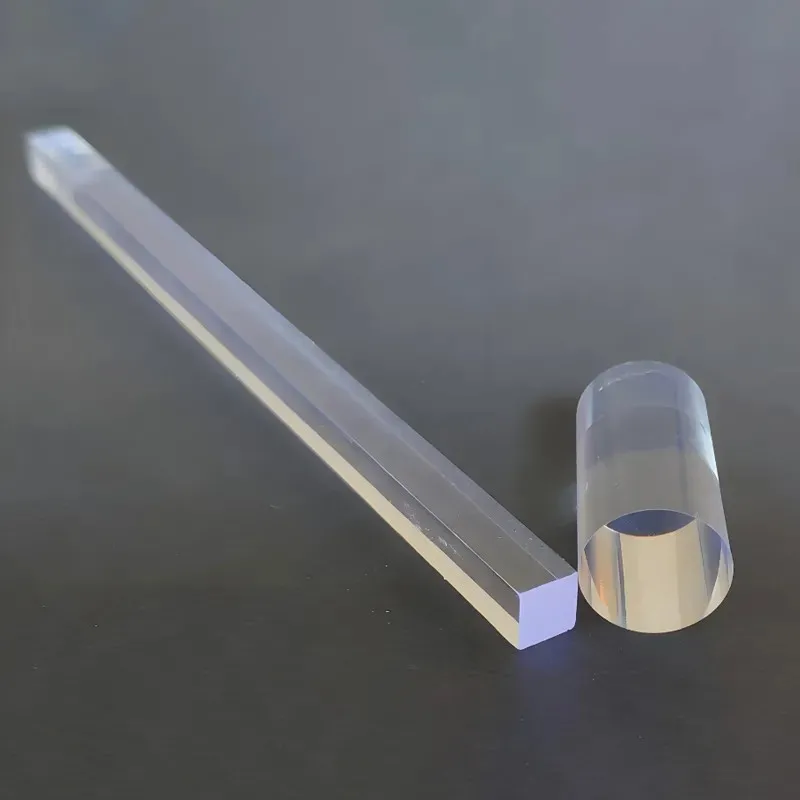
GAGG Crystal Supplier Selection Guide
When it comes to sourcing high-quality GAGG Crystal, making an informed choice of suppliers is crucial to ensure your projects meet the required standards.
LEARN MORE
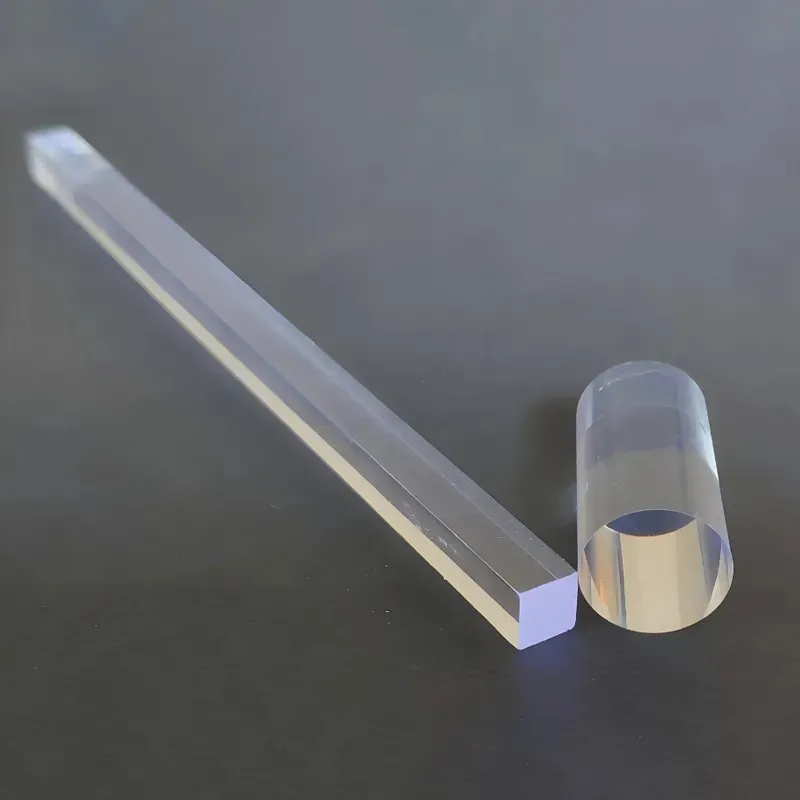
Best Scintillator Crystal for Small Animal PET
The best scintillator crystal for small animal PET is crucial for achieving accurate imaging. These crystals convert gamma rays into light, allowing us to visualize biological processes. Using the right scintillator can significantly improve the performance of Positron Emission Tomography (PET) scanners. Furthermore, it enhances sensitivity and resolution in imaging small animals like mice and
LEARN MORE
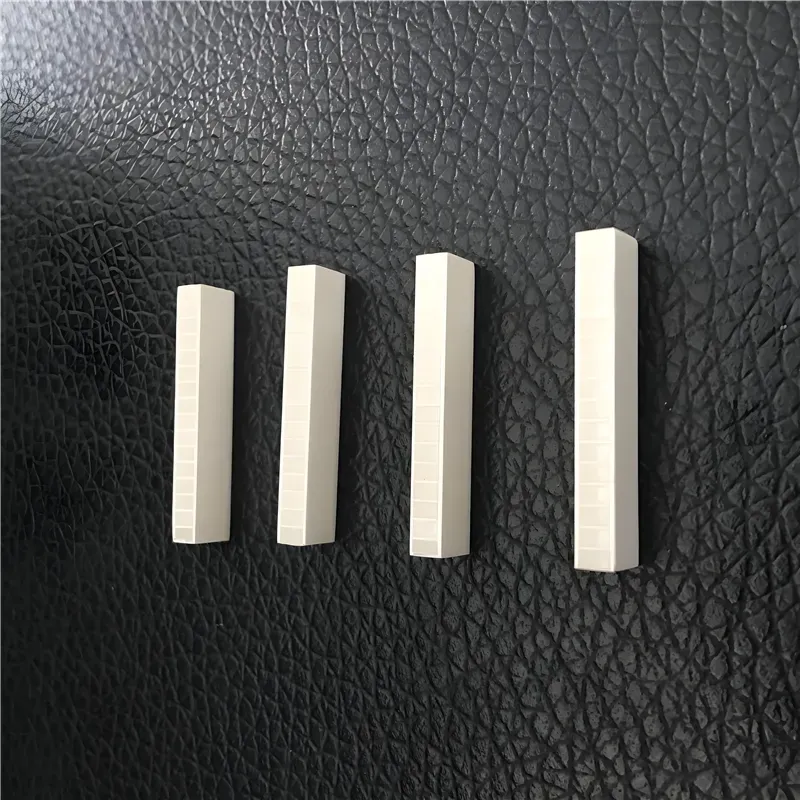
How SiPM Coupled LYSO Arrays Improve PET Detector Resolution
In the realm of medical imaging, particularly in Positron Emission Tomography (PET), users often face significant resolution challenges. Many radiologists and medical physicists experience frustration when their current detector systems fail to provide the high-resolution images necessary for accurate diagnosis. The adoption of LYSO (Lutetium Yttrium Oxyorthosilicate) crystals, coupled with SiPM
LEARN MORE
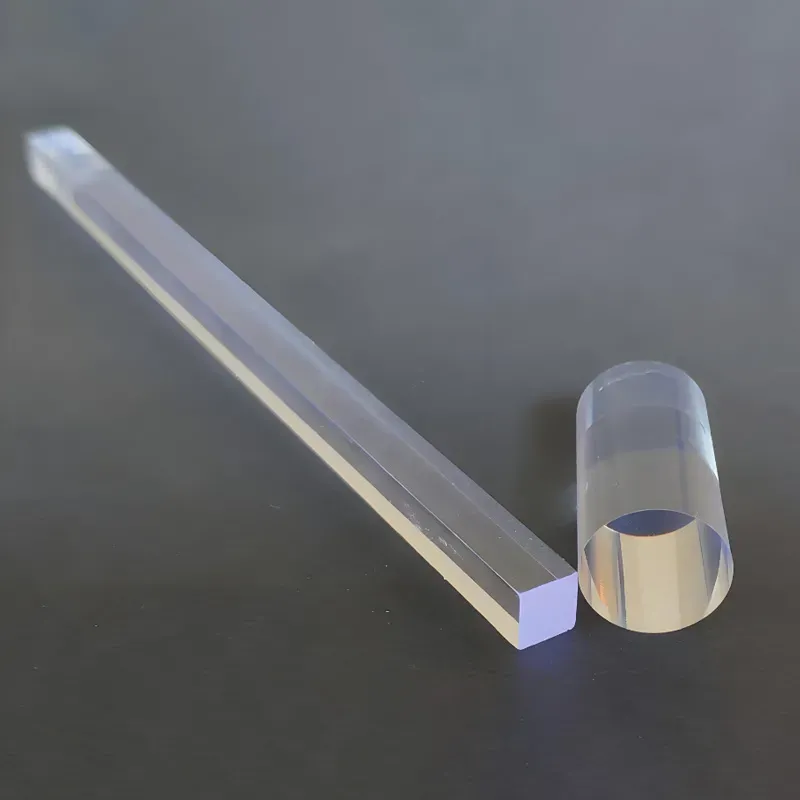
What Is LYSO Crystal? Properties and Applications Explained
The emergence of LYSO Crystal, a type of scintillation crystal material, has revolutionized various fields, particularly in medical imaging and radiation detection. Traditional materials such as NaI(Tl) have dominated the market for years with their efficiency. However, LYSO crystal offers numerous advantages—boasting significantly improved energ
LEARN MORE
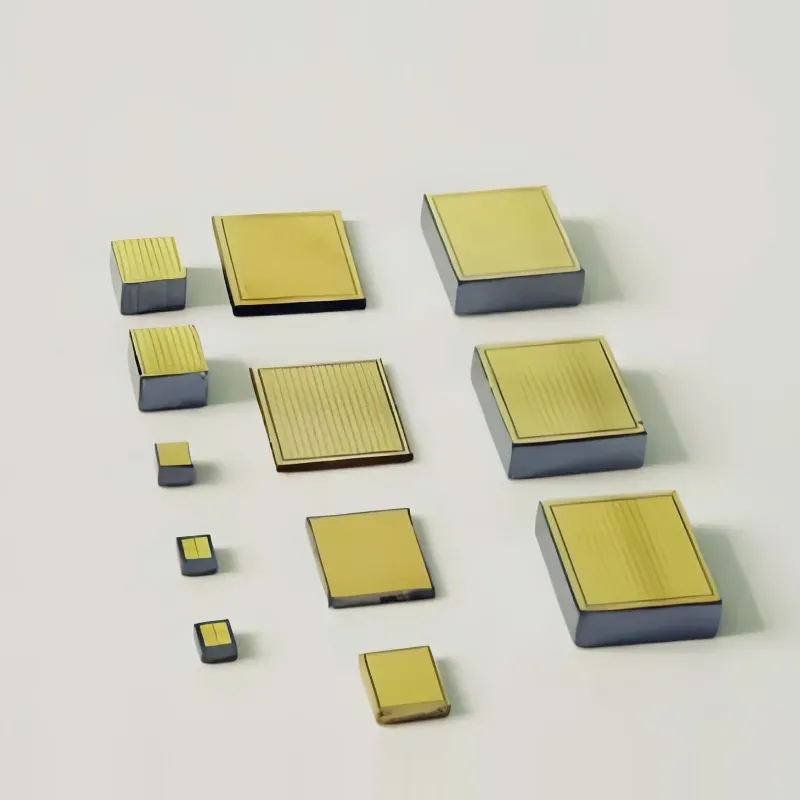
Why LYSO Crystal Is Widely Used in TOF PET Systems
The realm of nuclear medicine detection has faced numerous challenges, particularly in accurately imaging and diagnosing conditions through Positron Emission Tomography (PET) systems. One significant pain point is the need for high sensitivity and resolution in imaging, which traditional systems often struggle to achieve. This is where LYSO (Lutetium Yttrium Oxyorthosilicate) crystal shines as a
LEARN MORE
LYSO vs BGO Crystal: Which Is Better for PET Imaging?
LYSO (Lutetium Yttrium Oxyorthosilicate) and BGO (Bismuth Germanate) crystals are both commonly used materials in positron emission tomography (PET) imaging. Their distinct properties influence the performance and quality of images produced during medical diagnostics.
LEARN MORE