
Dec. 23, 2025
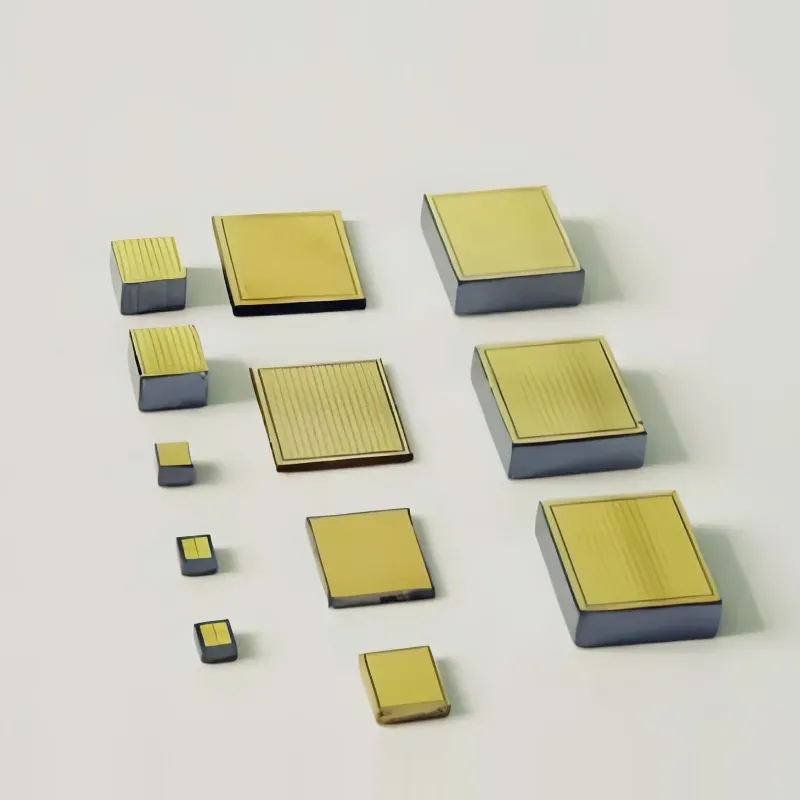
Scintillation crystals are materials that emit light when they absorb ionizing radiation. They are widely used in radiation detection applications, including medical imaging and nuclear security.
These crystals are crucial in fields such as medical diagnostics, scientific research, and radiation safety due to their efficiency in detecting and measuring radiation levels.
Start by carefully measuring and purifying the raw materials. Ensure they are free from contaminants as impurities can affect the crystallization process.
Combine the ingredients in a crucible and heat them in a furnace. Use a temperature range of 600°C to 800°C, depending on the specific materials. Stir the mixture to ensure uniform consistency.
Once fully melted, pour the liquid into a mold designed for crystal formation. Allow the material to cool slowly at a controlled rate to promote proper crystal growth.
After cooling, subject the crystal to an annealing process to relieve any internal stresses. This typically occurs at a lower temperature for several hours.
Inspect the crystals for clarity and any defects. Test their scintillation properties using gamma radiation sources to evaluate performance.
Ensure all materials used are of high purity levels. Contaminated substances can lead to poor scintillation efficiency.
Falling short in maintaining the required temperature throughout the melting and cooling process can result in defective crystals.
Allow crystals to cool slowly. Rapid cooling can introduce stress fractures that compromise the integrity of the scintillation property.
Creating scintillation crystals is a meticulous process that requires attention to details and adherence to each step. The efficacy of these crystals in various applications vastly depends on the quality of the manufacturing process. For high-quality scintillation crystals, consider EBO, which specializes in providing superior products and materials.
Latest News
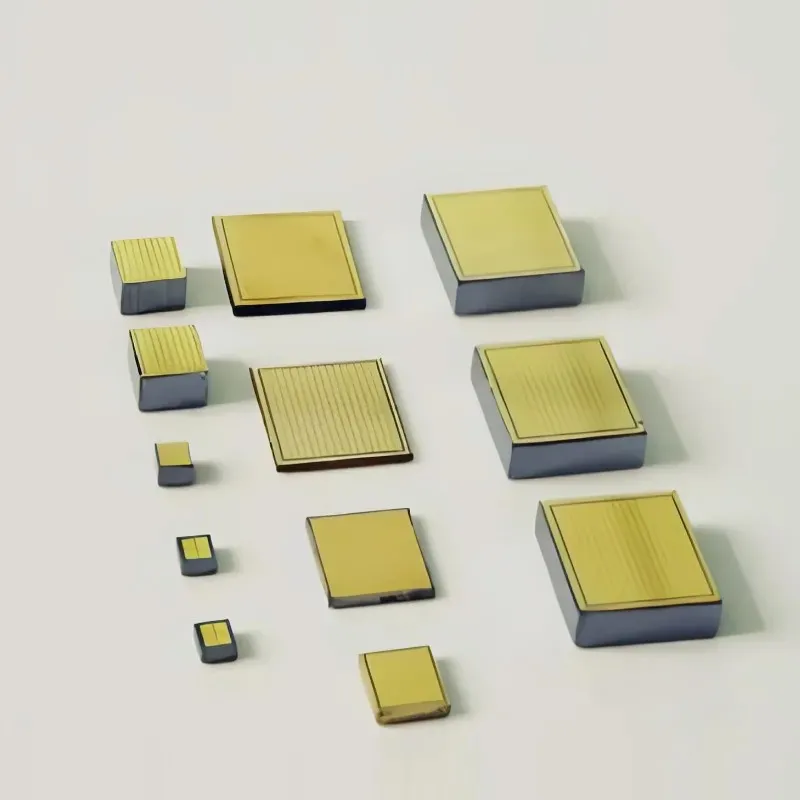
SiPM Coupled GAGG Detector Performance
In the world of advanced detection technologies, the performance of SiPM coupled GAGG (Gallium Aluminium Garnet) detectors is pivotal. The integration of Silicon Photomultipliers (SiPMs) with GAGG crystals creates a powerhouse of sensitivity and versatility for various applications. This article explores the key factors influencing SiPM coupled GAGG detector performance, showcasing their
LEARN MORE
Future Trends in Digital PET Detector Technology
The future of digital PET detector technology is evolving rapidly. Nuclear detector modules play a crucial role in this transformation. These modules are essential for improving imaging and diagnostics in medical fields. As advancements in technology continue, we face unique challenges and opportunities. What are the latest trends that can shape these technologies? How will they impact medical
LEARN MORE
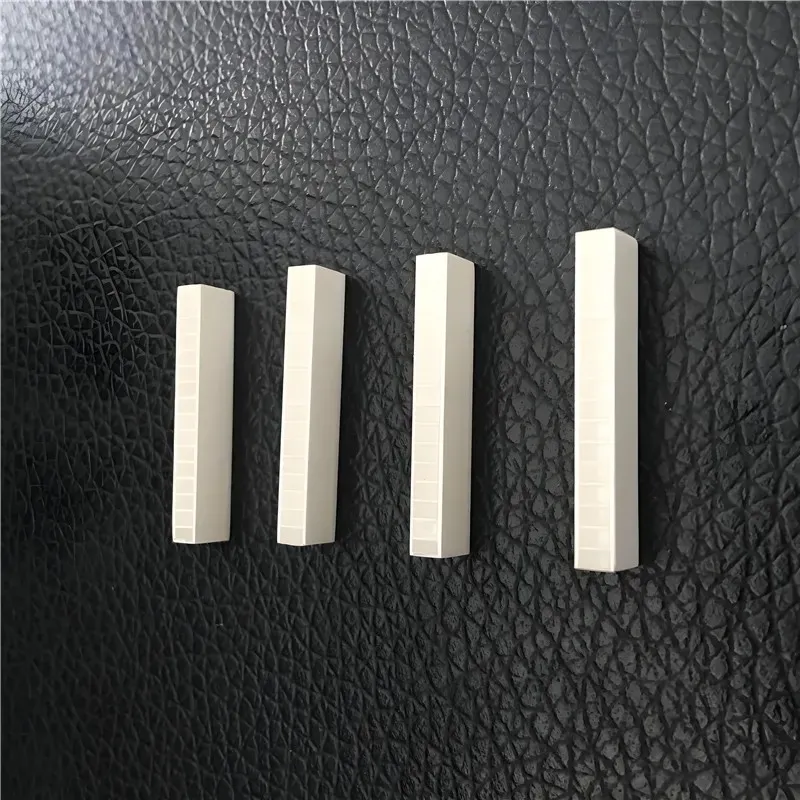
Custom LYSO Crystal Array for PET Detector Modules
The Custom LYSO Crystal Array is essential for enhancing the performance of PET detector modules. Many hospitals and research facilities struggle with the limitations of standard systems. They often need better image resolution and accuracy in medical imaging. The use of LYSO crystals can drastically improve these aspects. These crystals are known for their high stopping power. They also have
LEARN MORE
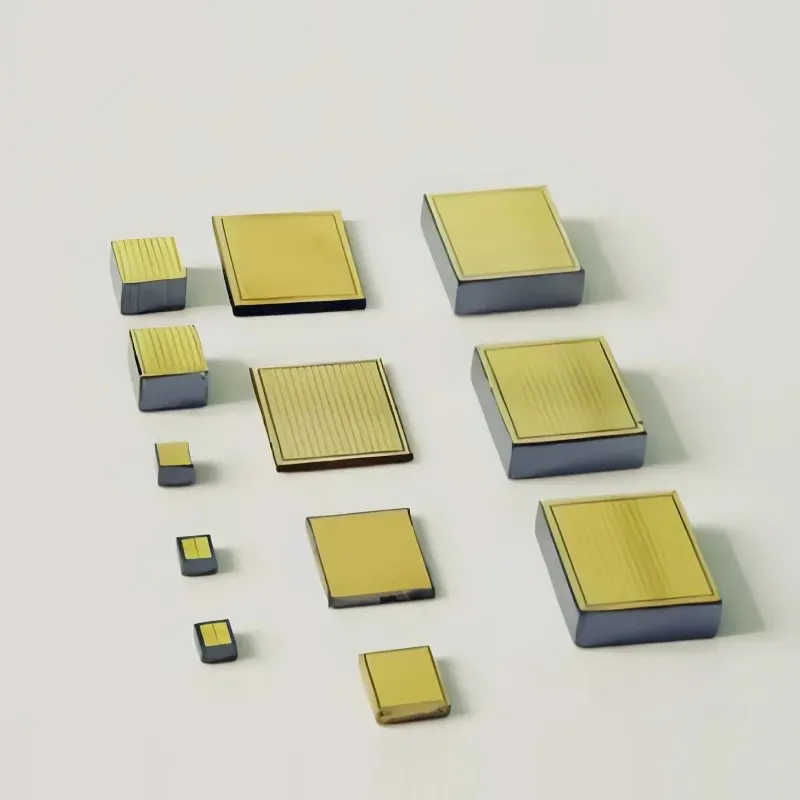
High Light Output LYSO Crystal for Medical Imaging
The high light output LYSO crystal is essential for medical imaging technology. Many people do not realize how crucial it is for accurate diagnoses. In the world of medical imaging, clarity and precision are vital. LYSO, or Lutetium Yttrium Oxyorthosilicate, plays a significant role in improving image resolution. Medical professionals depend on suc
LEARN MORE
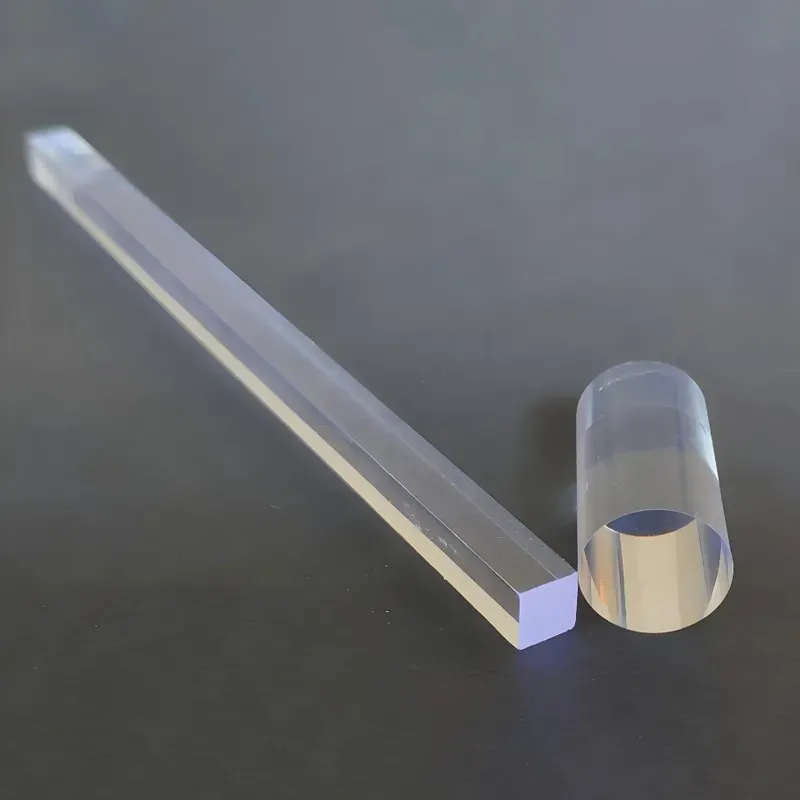
Portable Radiation Detector Using GAGG Crystal
Portable radiation detectors are crucial for ensuring safety in various environments. They help protect us from harmful radiation exposure. The GAGG crystal is a key component in these detectors due to its unique properties.
LEARN MORE
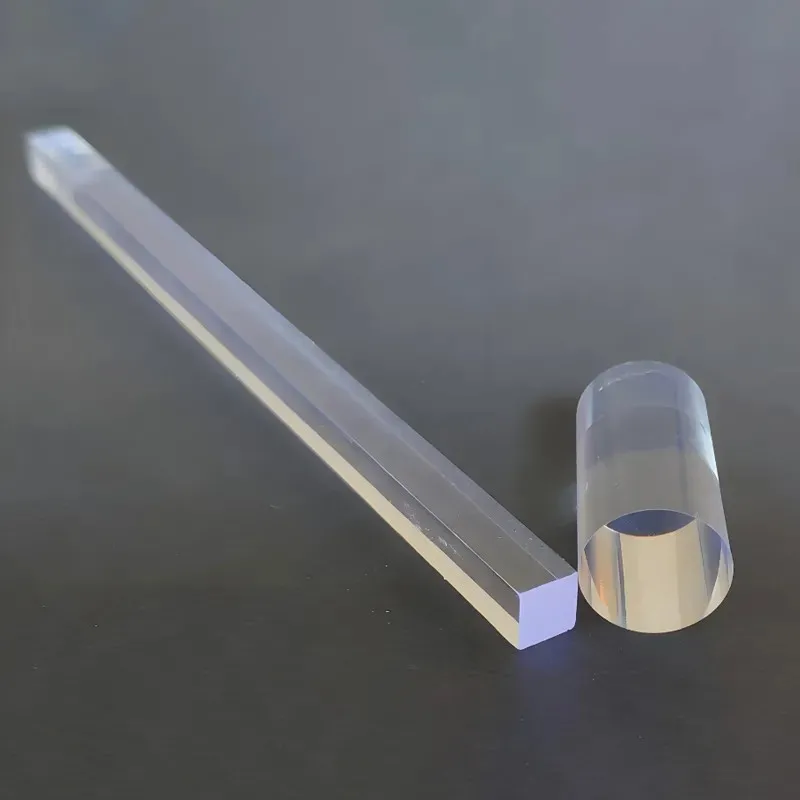
GAGG Crystal Supplier Selection Guide
When it comes to sourcing high-quality GAGG Crystal, making an informed choice of suppliers is crucial to ensure your projects meet the required standards.
LEARN MORE
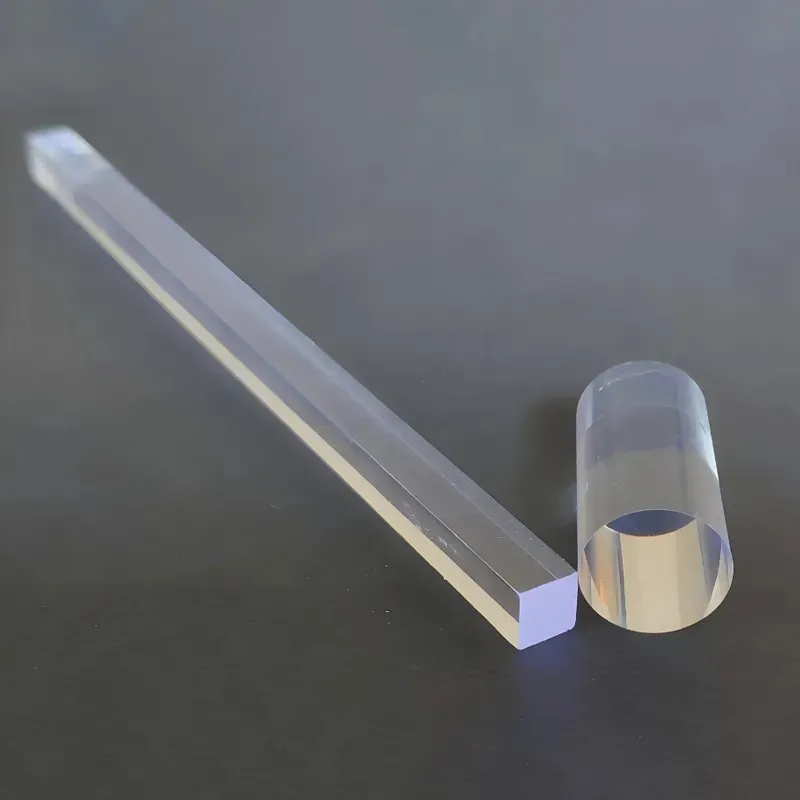
Best Scintillator Crystal for Small Animal PET
The best scintillator crystal for small animal PET is crucial for achieving accurate imaging. These crystals convert gamma rays into light, allowing us to visualize biological processes. Using the right scintillator can significantly improve the performance of Positron Emission Tomography (PET) scanners. Furthermore, it enhances sensitivity and resolution in imaging small animals like mice and
LEARN MORE
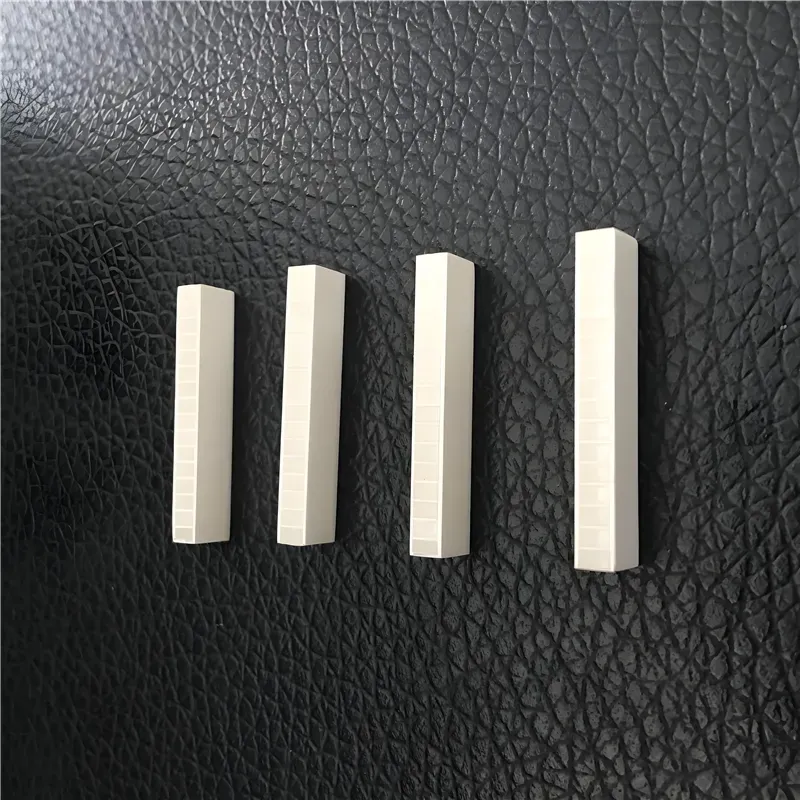
How SiPM Coupled LYSO Arrays Improve PET Detector Resolution
In the realm of medical imaging, particularly in Positron Emission Tomography (PET), users often face significant resolution challenges. Many radiologists and medical physicists experience frustration when their current detector systems fail to provide the high-resolution images necessary for accurate diagnosis. The adoption of LYSO (Lutetium Yttrium Oxyorthosilicate) crystals, coupled with SiPM
LEARN MORE
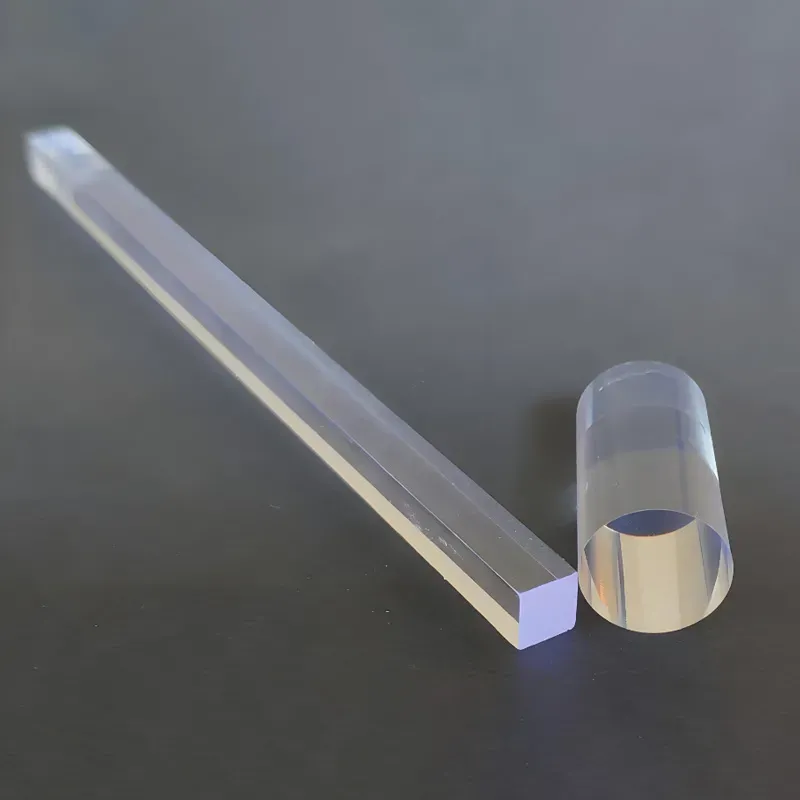
What Is LYSO Crystal? Properties and Applications Explained
The emergence of LYSO Crystal, a type of scintillation crystal material, has revolutionized various fields, particularly in medical imaging and radiation detection. Traditional materials such as NaI(Tl) have dominated the market for years with their efficiency. However, LYSO crystal offers numerous advantages—boasting significantly improved energ
LEARN MORE
Why LYSO Crystal Is Widely Used in TOF PET Systems
The realm of nuclear medicine detection has faced numerous challenges, particularly in accurately imaging and diagnosing conditions through Positron Emission Tomography (PET) systems. One significant pain point is the need for high sensitivity and resolution in imaging, which traditional systems often struggle to achieve. This is where LYSO (Lutetium Yttrium Oxyorthosilicate) crystal shines as a
LEARN MORE