
Feb. 21, 2025
LYSO (Lutetium Yttrium Oxyorthosilicate) crystals doped with Cerium (Ce) have become a cornerstone in the world of medical and scientific imaging, particularly in positron emission tomography (PET) and other advanced imaging systems. These crystals offer unique advantages in terms of scintillation efficiency, speed, and resolution, which significantly enhance the overall imaging quality. In this article, we will explore how LYSO (CE) crystals improve imaging resolution and why they are essential in modern diagnostic and research technologies.
One of the primary reasons LYSO (CE) crystals are favored in imaging applications is their high light output. When gamma or photon radiation interacts with these crystals, they emit a significant amount of light, which is then converted into an electrical signal by photodetectors such as photomultiplier tubes or photodiodes. This high light yield enables the detection of faint signals with greater clarity, which is critical for improving image resolution in PET scans and other imaging modalities.
Increased Sensitivity: The increased light output from LYSO (CE) crystals allows imaging systems to detect even weak radiation signals, improving the sensitivity of the system and capturing more detailed images.
Sharper Contrast: High light output translates to better contrast in the final image, allowing for better differentiation between structures of interest and background noise.
The high light yield of LYSO (CE) crystals contributes directly to sharper, clearer images, enhancing the ability of medical professionals and researchers to make accurate diagnoses and observations.

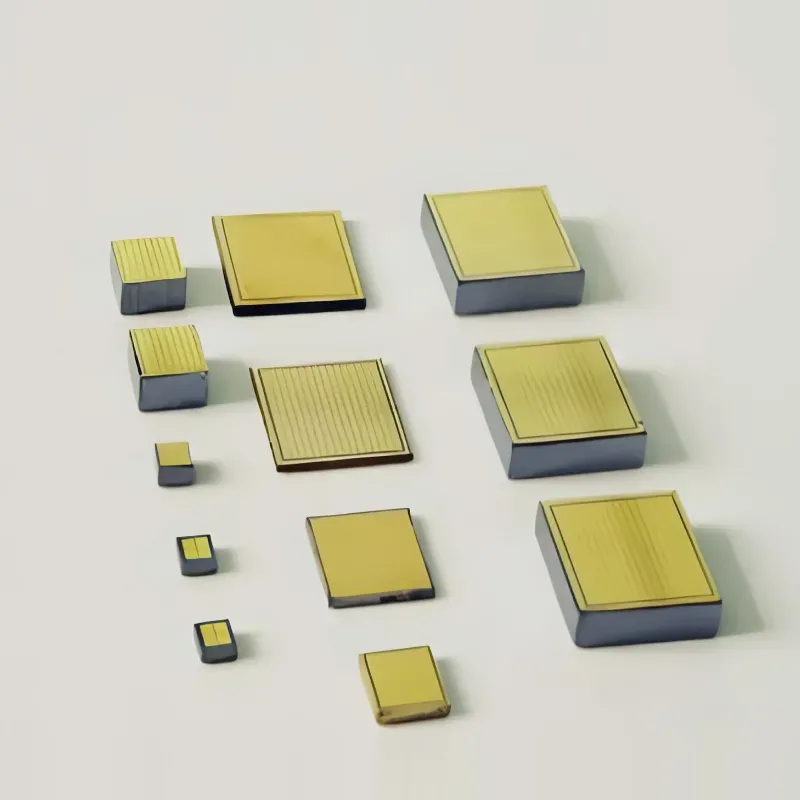
LYSO Scintillation Crystal Cerium doped Lutetium
Another critical feature of LYSO (CE) crystals is their fast scintillation response time. Scintillation refers to the emission of light from a crystal when it interacts with high-energy photons or gamma rays. The speed of this emission directly impacts the temporal resolution of the imaging system. LYSO (CE) crystals have a very short decay time (around 40 nanoseconds), meaning they emit light almost instantaneously when exposed to radiation.
Improved Temporal Resolution: Faster response times allow imaging systems to capture events with a higher frequency, resulting in better temporal resolution and more detailed dynamic images.
Reduced Motion Artifacts: In medical imaging, particularly in PET scans, faster response times reduce motion artifacts that can blur images during scans, leading to sharper, more accurate results.
The fast response time of LYSO (CE) crystals helps mitigate motion blurring and ensures that dynamic processes, such as blood flow or organ movement, are captured with high temporal resolution.
Energy resolution is a measure of how well a detector can distinguish between gamma rays or photons of different energies. LYSO (CE) crystals provide excellent energy resolution, which is critical in applications like gamma spectroscopy and PET imaging. The crystal’s ability to efficiently absorb and convert gamma photons into light ensures that the energy of the incoming radiation is precisely measured, enhancing the accuracy of the final image.
Precise Energy Detection: With high energy resolution, LYSO (CE) crystals help create more accurate images by accurately identifying the energy of incoming photons, leading to more reliable data.
Reduced Background Noise: The improved energy resolution of LYSO (CE) crystals minimizes background noise in the imaging system, allowing for a clearer image with fewer interference signals.
With better energy resolution, LYSO (CE) crystals play a crucial role in eliminating artifacts and enhancing the overall accuracy of images produced by medical and scientific imaging systems.
Spatial resolution refers to the ability of an imaging system to distinguish between two closely spaced objects. In medical imaging, high spatial resolution is essential for detecting small lesions, tumors, or other abnormalities. LYSO (CE) crystals contribute to improved spatial resolution due to their high density and fast decay time, which allow them to better localize and detect radiation events with precision.
Better Detection of Fine Details: The combination of high density and fast response time enables LYSO (CE) crystals to precisely identify the location of radiation events, allowing imaging systems to discern finer details in the scanned area.
Improved Image Sharpness: Enhanced spatial resolution leads to sharper images, with clear delineation between structures that are close together, helping clinicians detect early-stage diseases or subtle abnormalities that might otherwise go unnoticed.
LYSO (CE) crystals improve spatial resolution by enabling detectors to more accurately localize gamma radiation, resulting in highly detailed images that enhance diagnostic capabilities.
One of the challenges faced by scintillator materials is radiation damage. Over time, continuous exposure to high-energy gamma rays can degrade the performance of certain crystals, leading to reduced light output and poorer image quality. LYSO (CE) crystals are known for their excellent radiation hardness, meaning they are less susceptible to damage from prolonged exposure to gamma radiation.
Long-Term Stability: LYSO (CE) crystals maintain their high light yield and scintillation efficiency over extended periods, ensuring that imaging systems remain consistent in performance and image quality.
Durability in Harsh Environments: This radiation resistance makes LYSO (CE) crystals ideal for long-term use in medical and industrial environments where gamma radiation exposure is constant, such as in PET scanners or nuclear physics research.
With their resistance to radiation damage, LYSO (CE) crystals offer long-term reliability, ensuring stable and consistent performance even under high-radiation conditions.
The most significant application of LYSO (CE) crystals is in medical imaging, particularly in Positron Emission Tomography (PET) and Single Photon Emission Computed Tomography (SPECT). Both imaging techniques rely on the detection of gamma rays to create detailed, 3D images of the body's internal structures. LYSO (CE) crystals’ high light output, fast response time, and excellent energy resolution make them ideal for these applications, where precise, high-quality imaging is required for accurate diagnosis and treatment planning.
PET Scanners: In PET imaging, LYSO (CE) crystals enable high-resolution images of metabolic processes, making them essential for detecting cancer, heart disease, and neurological conditions at early stages.
SPECT Imaging: For SPECT, LYSO (CE) crystals enhance the clarity of images generated from gamma-ray emissions, improving the accuracy of functional imaging studies and guiding treatment decisions.
LYSO (CE) crystals are crucial in PET and SPECT systems, improving the resolution of both structural and functional images, which allows for better patient outcomes in areas like oncology, cardiology, and neurology.
LYSO (CE) crystals represent a significant advancement in imaging technology due to their combination of high light output, fast scintillation response, excellent energy resolution, and robust radiation hardness. These characteristics enhance both spatial and temporal resolution, making LYSO (CE) crystals ideal for a wide range of applications, from medical imaging (PET and SPECT) to scientific research and industrial uses. By improving the quality and clarity of the images produced, LYSO (CE) crystals play a critical role in advancing diagnostic capabilities, ensuring better early detection, and providing clearer insights into the human body and complex scientific phenomena. As imaging technologies continue to evolve, LYSO (CE) crystals will remain a vital component, improving resolution and ensuring more accurate, reliable imaging results.
Latest News
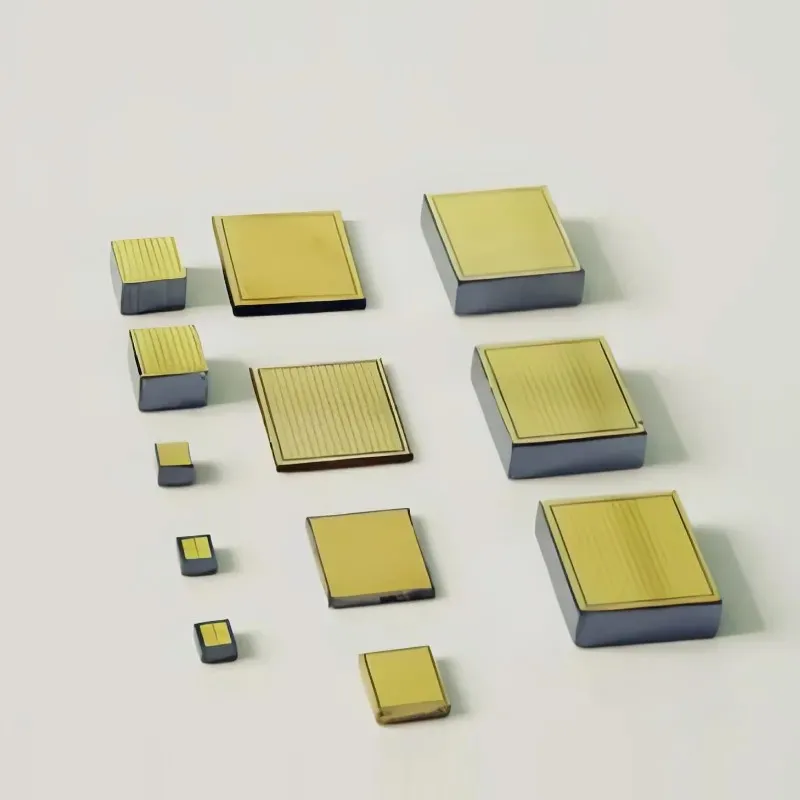
SiPM Coupled GAGG Detector Performance
In the world of advanced detection technologies, the performance of SiPM coupled GAGG (Gallium Aluminium Garnet) detectors is pivotal. The integration of Silicon Photomultipliers (SiPMs) with GAGG crystals creates a powerhouse of sensitivity and versatility for various applications. This article explores the key factors influencing SiPM coupled GAGG detector performance, showcasing their
LEARN MORE
Future Trends in Digital PET Detector Technology
The future of digital PET detector technology is evolving rapidly. Nuclear detector modules play a crucial role in this transformation. These modules are essential for improving imaging and diagnostics in medical fields. As advancements in technology continue, we face unique challenges and opportunities. What are the latest trends that can shape these technologies? How will they impact medical
LEARN MORE
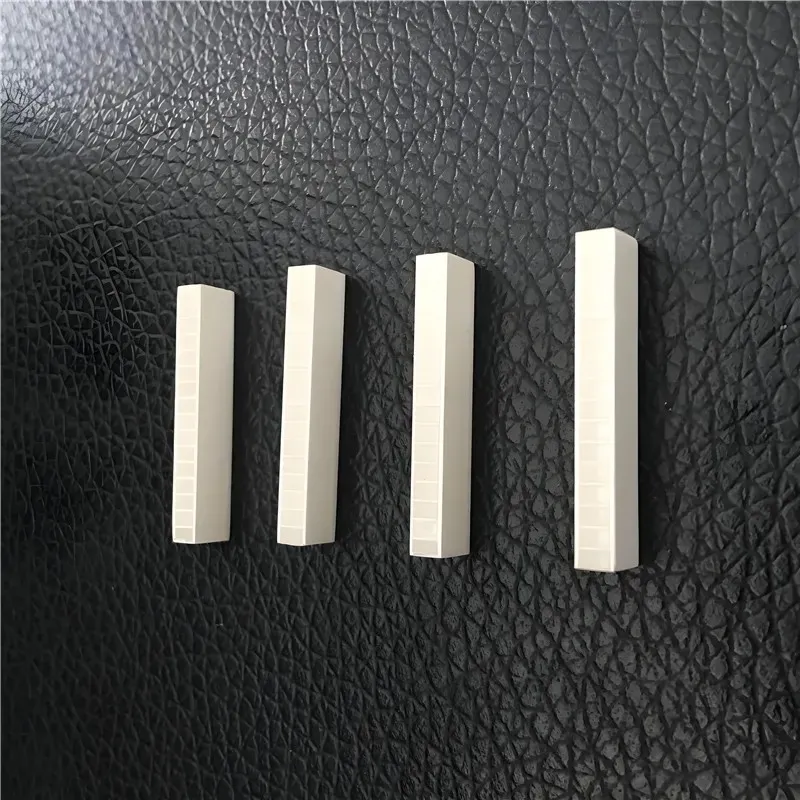
Custom LYSO Crystal Array for PET Detector Modules
The Custom LYSO Crystal Array is essential for enhancing the performance of PET detector modules. Many hospitals and research facilities struggle with the limitations of standard systems. They often need better image resolution and accuracy in medical imaging. The use of LYSO crystals can drastically improve these aspects. These crystals are known for their high stopping power. They also have
LEARN MORE
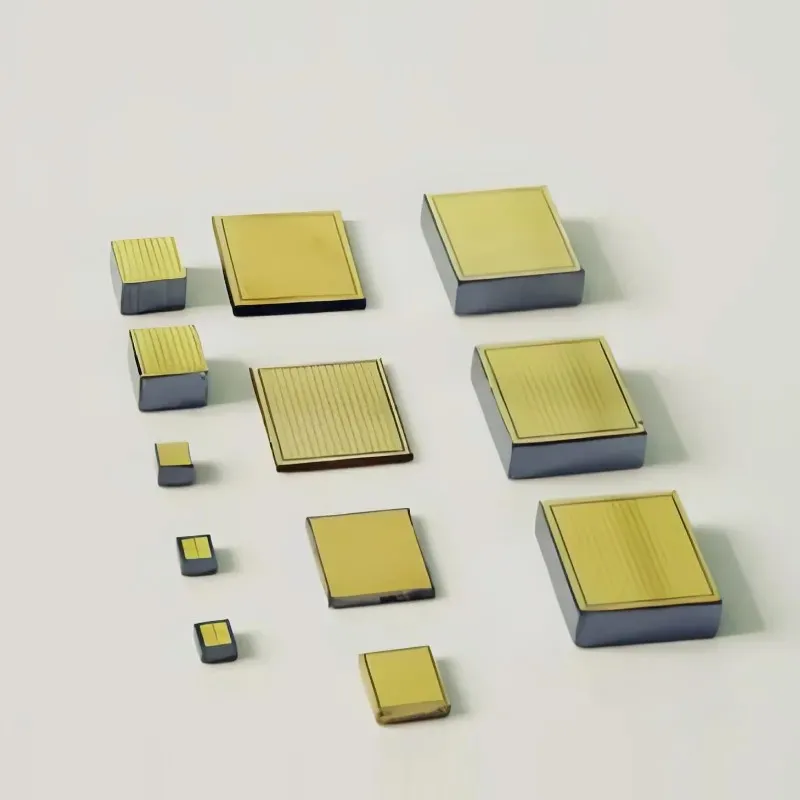
High Light Output LYSO Crystal for Medical Imaging
The high light output LYSO crystal is essential for medical imaging technology. Many people do not realize how crucial it is for accurate diagnoses. In the world of medical imaging, clarity and precision are vital. LYSO, or Lutetium Yttrium Oxyorthosilicate, plays a significant role in improving image resolution. Medical professionals depend on suc
LEARN MORE
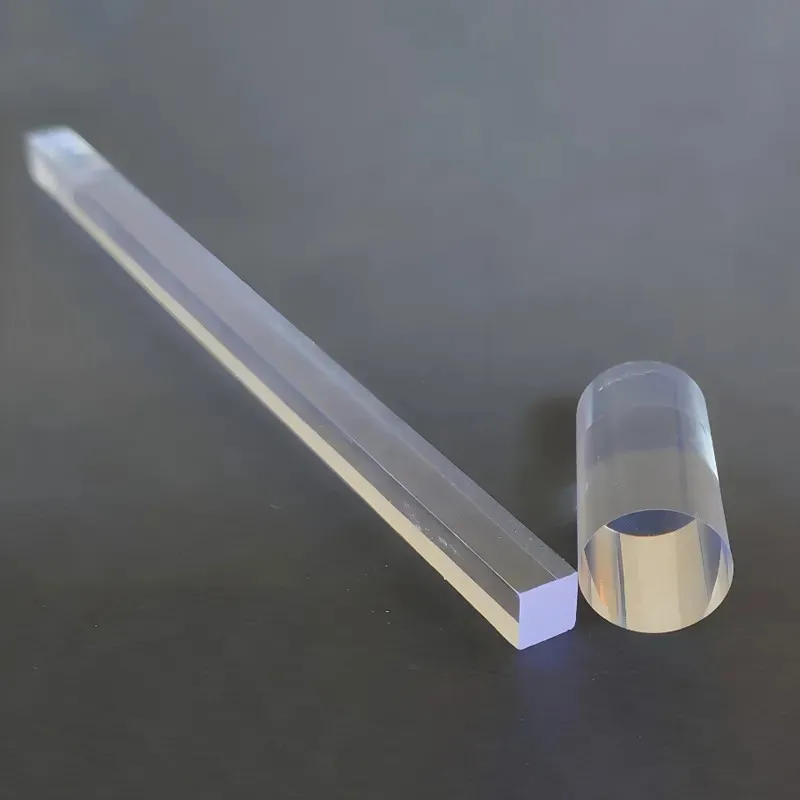
Portable Radiation Detector Using GAGG Crystal
Portable radiation detectors are crucial for ensuring safety in various environments. They help protect us from harmful radiation exposure. The GAGG crystal is a key component in these detectors due to its unique properties.
LEARN MORE
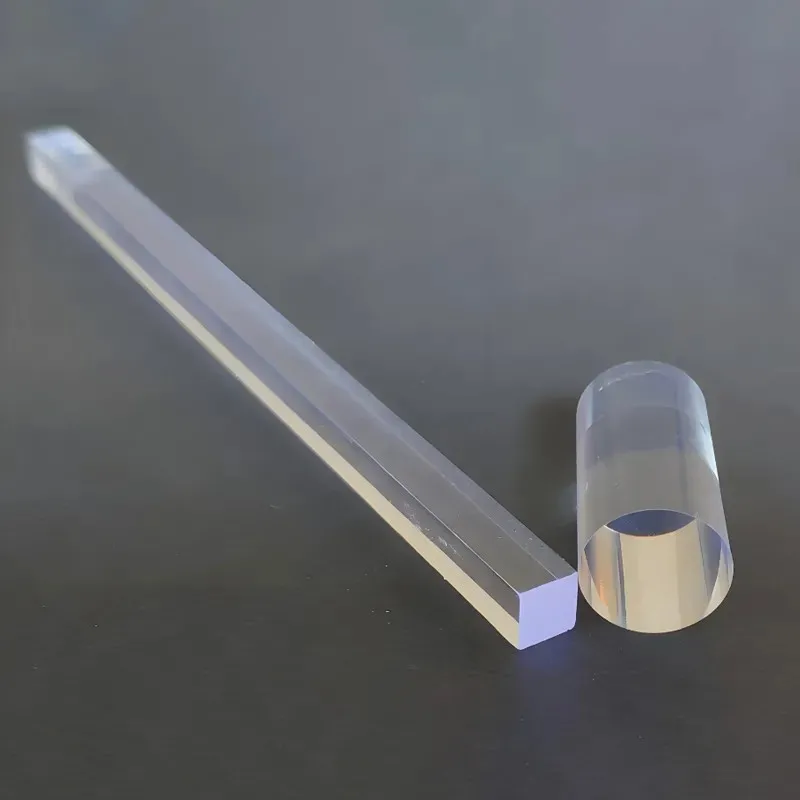
GAGG Crystal Supplier Selection Guide
When it comes to sourcing high-quality GAGG Crystal, making an informed choice of suppliers is crucial to ensure your projects meet the required standards.
LEARN MORE
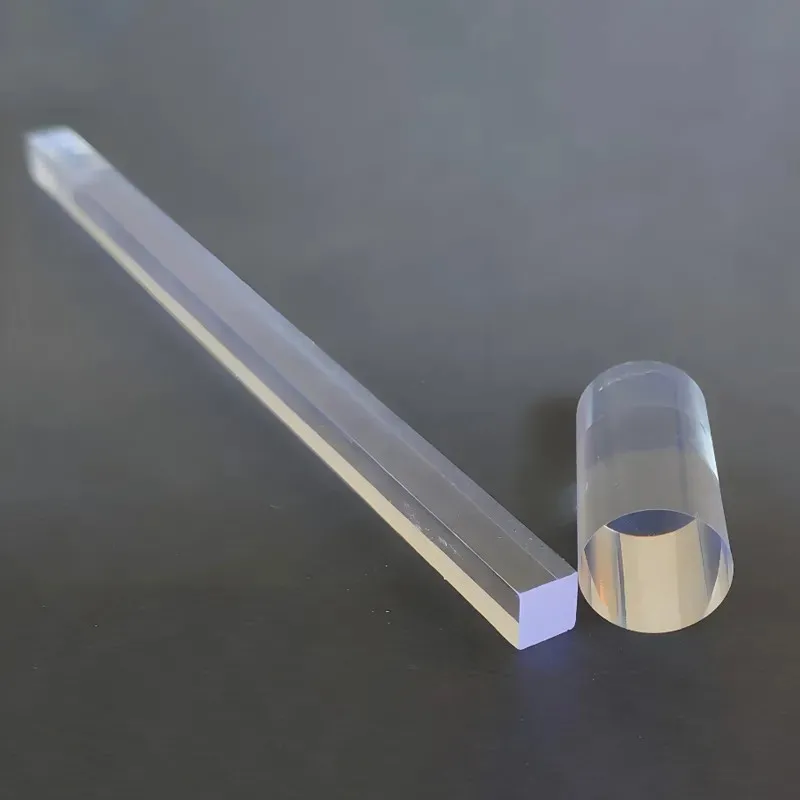
Best Scintillator Crystal for Small Animal PET
The best scintillator crystal for small animal PET is crucial for achieving accurate imaging. These crystals convert gamma rays into light, allowing us to visualize biological processes. Using the right scintillator can significantly improve the performance of Positron Emission Tomography (PET) scanners. Furthermore, it enhances sensitivity and resolution in imaging small animals like mice and
LEARN MORE
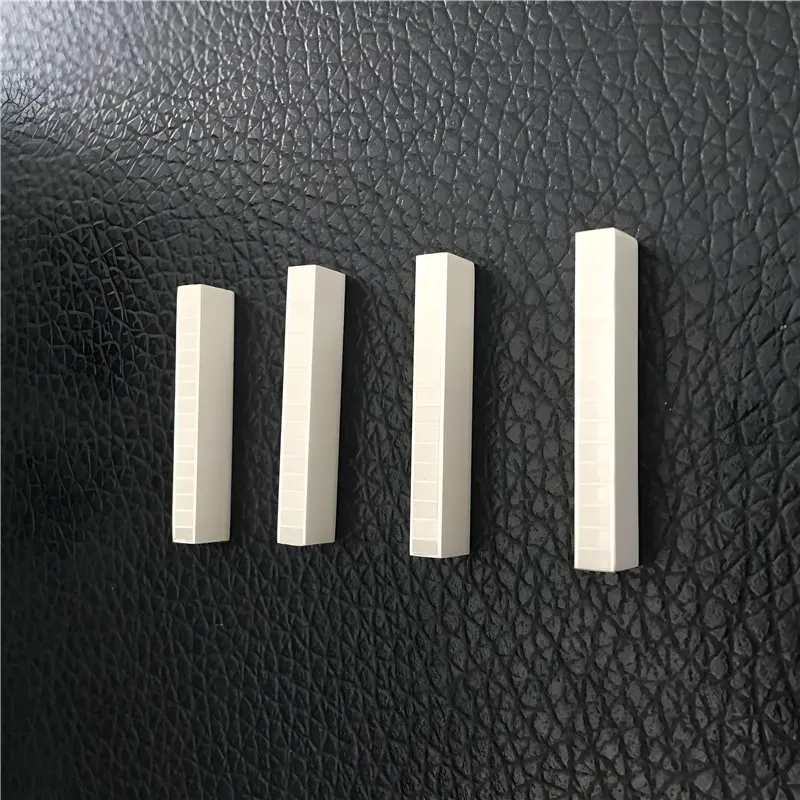
How SiPM Coupled LYSO Arrays Improve PET Detector Resolution
In the realm of medical imaging, particularly in Positron Emission Tomography (PET), users often face significant resolution challenges. Many radiologists and medical physicists experience frustration when their current detector systems fail to provide the high-resolution images necessary for accurate diagnosis. The adoption of LYSO (Lutetium Yttrium Oxyorthosilicate) crystals, coupled with SiPM
LEARN MORE
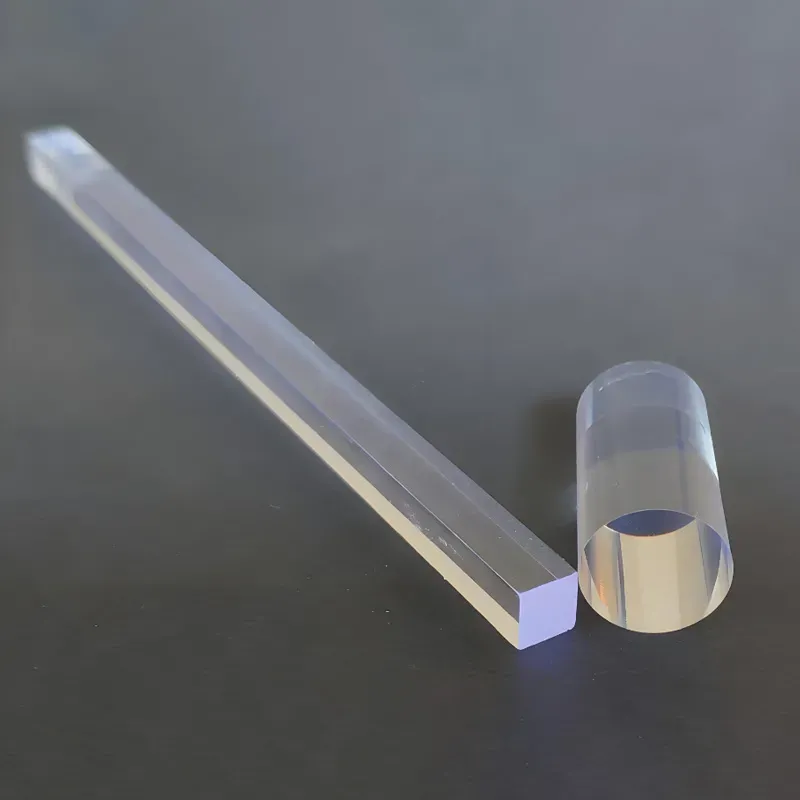
What Is LYSO Crystal? Properties and Applications Explained
The emergence of LYSO Crystal, a type of scintillation crystal material, has revolutionized various fields, particularly in medical imaging and radiation detection. Traditional materials such as NaI(Tl) have dominated the market for years with their efficiency. However, LYSO crystal offers numerous advantages—boasting significantly improved energ
LEARN MORE
Why LYSO Crystal Is Widely Used in TOF PET Systems
The realm of nuclear medicine detection has faced numerous challenges, particularly in accurately imaging and diagnosing conditions through Positron Emission Tomography (PET) systems. One significant pain point is the need for high sensitivity and resolution in imaging, which traditional systems often struggle to achieve. This is where LYSO (Lutetium Yttrium Oxyorthosilicate) crystal shines as a
LEARN MORE