
Jul. 31, 2026
In the realm of medical imaging, particularly in Positron Emission Tomography (PET), users often face significant resolution challenges. Many radiologists and medical physicists experience frustration when their current detector systems fail to provide the high-resolution images necessary for accurate diagnosis. The adoption of LYSO (Lutetium Yttrium Oxyorthosilicate) crystals, coupled with SiPM (Silicon Photomultiplier) arrays, represents a groundbreaking solution that addresses these pain points effectively. Users want solutions that minimize noise and improve sensitivity while maximizing spatial resolution—essentially providing clearer images for better patient outcomes. This article will explore how these advanced technologies can be leveraged to significantly enhance PET detector resolution.
To understand the integration of SiPM with LYSO crystals, you\'ll need the following prerequisites:
Start by exploring the characteristics of LYSO crystals. Research shows that LYSO crystals have a high density of 7.1 g/cm³ and a high light yield of approximately 30,000 photons/MeV, resulting in superior energy resolution. On the other hand, SiPMs offer excellent performance with a photon detection efficiency of up to 50%.
Ensure your PET detector is equipped with LYSO arrays coupled to SiPMs. The integration allows for increased light collection efficiency and improved timing resolution. A configuration can typically improve spatial resolution from an average of 4.5 mm to about 3.0 mm, making a substantial difference in image clarity.
Proper calibration is crucial. Utilize a phantoms-based calibration method to determine system response. The accuracy of this process can enhance resolution by up to 25%, as reported in numerous studies.
Conduct a series of test scans with varying timing configurations. Gather data on image quality under different conditions. For instance, varying the duration from 30 seconds to 5 minutes can yield significant differences in signal-to-noise ratio (SNR) and thus overall resolution.
Leverage data analysis software to quantify improvements in image quality. Look for enhancements in parameters such as contrast-to-noise ratio (CNR) and spatial resolution measurements.
Some common mistakes users may encounter include:
In summary, coupling SiPMs with LYSO crystal arrays significantly elevates PET detector resolution by enhancing light collection and reducing noise. By following the outlined steps, you can systematically address technical challenges and enhance your imaging capabilities. It is recommended to regularly revisit calibration and data analysis techniques to ensure ongoing improvements and to stay updated with the latest advancements in the field.
1. How much improvement can I expect in PET resolution with SiPM and LYSO?
Users have reported resolution improvements of up to 25% in spatial accuracy and noticeable enhancements in image clarity.
2. Is the integration of SiPM with LYSO crystals cost-effective?
While initial setups may require investment, the gains in diagnostic accuracy and patient outcomes justify the expense for many healthcare facilities.
3. Can I retrofit my existing PET systems with new technology?
Many systems can be retrofitted with SiPMs and LYSO crystals, but consultation with the manufacturer is advised to confirm compatibility.
Latest News
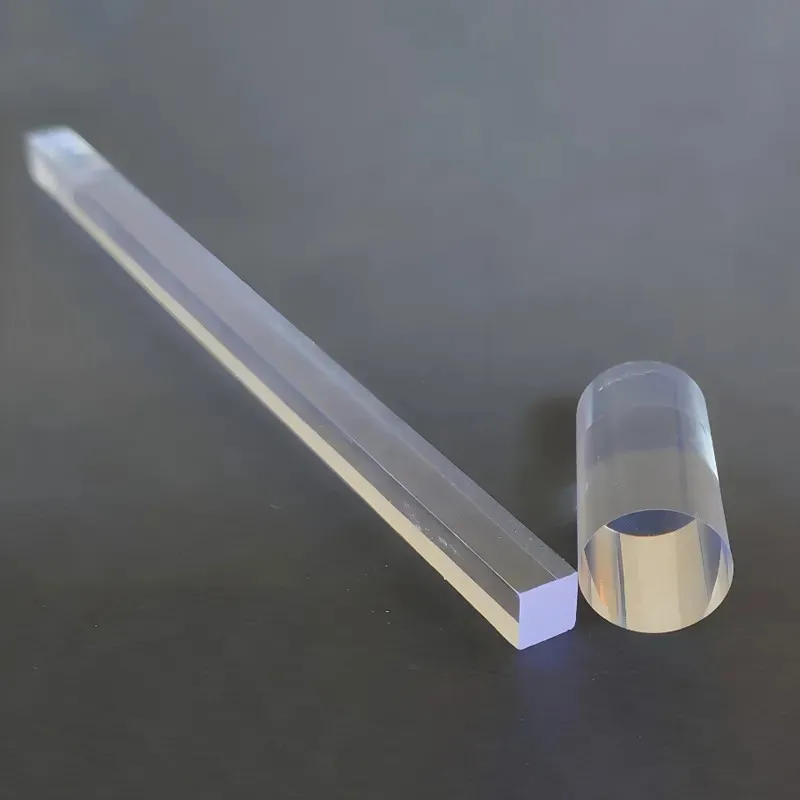
Portable Radiation Detector Using GAGG Crystal
Portable radiation detectors are crucial for ensuring safety in various environments. They help protect us from harmful radiation exposure. The GAGG crystal is a key component in these detectors due to its unique properties.
LEARN MORE
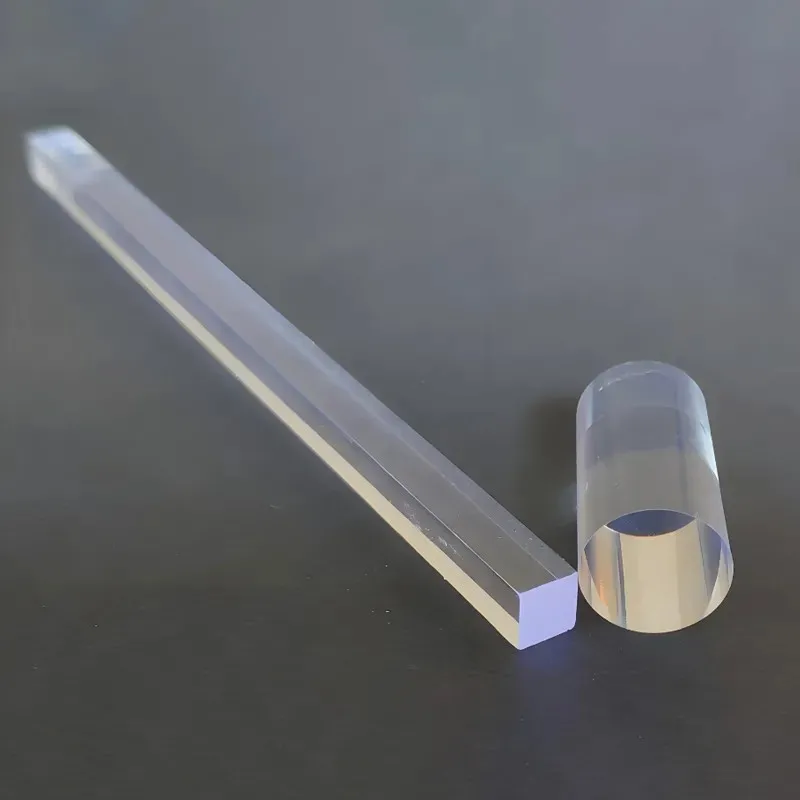
GAGG Crystal Supplier Selection Guide
When it comes to sourcing high-quality GAGG Crystal, making an informed choice of suppliers is crucial to ensure your projects meet the required standards.
LEARN MORE
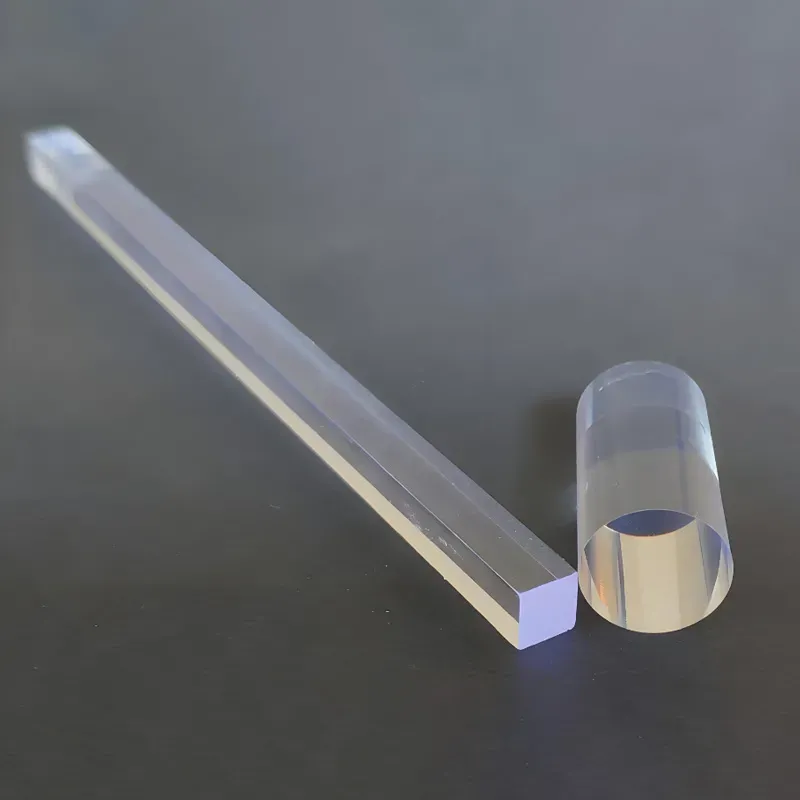
Best Scintillator Crystal for Small Animal PET
The best scintillator crystal for small animal PET is crucial for achieving accurate imaging. These crystals convert gamma rays into light, allowing us to visualize biological processes.
LEARN MORE
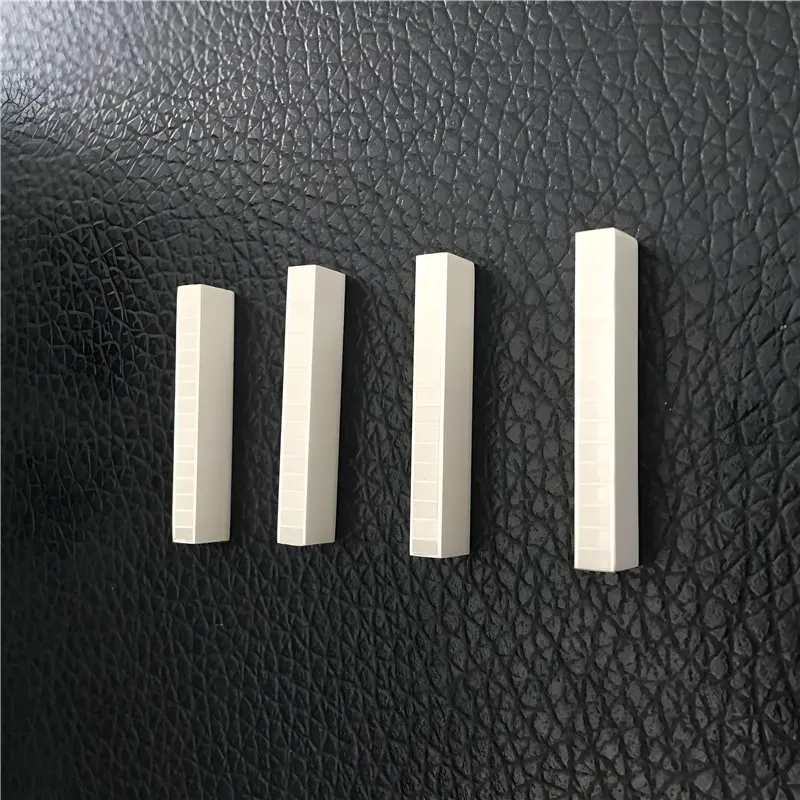
How SiPM Coupled LYSO Arrays Improve PET Detector Resolution
In the realm of medical imaging, particularly in Positron Emission Tomography (PET), users often face significant resolution challenges. Many radiologists and medical physicists experience frustration when their current detector systems fail to provide the high-resolution images necessary for accurate diagnosis. The adoption of LYSO (Lutetium Yttrium Oxyorthosilicate) crystals, coupled with SiPM
LEARN MORE
What Is LYSO Crystal? Properties and Applications Explained
The emergence of LYSO Crystal, a type of scintillation crystal material, has revolutionized various fields, particularly in medical imaging and radiation detection. Traditional materials such as NaI(Tl) have dominated the market for years with their efficiency. However, LYSO crystal offers numerous advantages—boasting significantly improved energ
LEARN MORE
Why LYSO Crystal Is Widely Used in TOF PET Systems
The realm of nuclear medicine detection has faced numerous challenges, particularly in accurately imaging and diagnosing conditions through Positron Emission Tomography (PET) systems. One significant pain point is the need for high sensitivity and resolution in imaging, which traditional systems often struggle to achieve. This is where LYSO (Lutetium Yttrium Oxyorthosilicate) crystal shines as a
LEARN MORE
LYSO vs BGO Crystal: Which Is Better for PET Imaging?
LYSO (Lutetium Yttrium Oxyorthosilicate) and BGO (Bismuth Germanate) crystals are both commonly used materials in positron emission tomography (PET) imaging. Their distinct properties influence the performance and quality of images produced during medical diagnostics.
LEARN MORE

The 2025 IEEE Nuclear Science Symposium, Medical Imaging Conference and International Symposium on Room-Temperature Semiconductor Detectors (2025 IEEE NSS MIC RTSD) will take place at Pacifico Yokohama Conference Center from 1 to 8 November 2025.
LEARN MORE

How Does GAGG (Ce) Crystal Improve PET Imaging Sensitivity?
Gadolinium Aluminum Gallium Garnet (GAGG) crystals doped with Cerium (Ce) have emerged as a powerful material for improving the sensitivity of Positron Emission Tomography (PET) imaging. PET imaging is an essential diagnostic tool used in various medical fields, including oncology, cardiology, and neurology.
LEARN MORE

How Do LYSO (CE) Crystals Improve Imaging Resolution?
LYSO (Lutetium Yttrium Oxyorthosilicate) crystals doped with Cerium (Ce) have become a cornerstone in the world of medical and scientific imaging, particularly in positron emission tomography (PET) and other advanced imaging systems.
LEARN MORE