
Oct. 23, 2026
In the world of advanced detection technologies, the performance of SiPM coupled GAGG (Gallium Aluminium Garnet) detectors is pivotal. The integration of Silicon Photomultipliers (SiPMs) with GAGG Crystals creates a powerhouse of sensitivity and versatility for various applications. This article explores the key factors influencing SiPM coupled GAGG detector performance, showcasing their advancements and addressing common concerns among users.
The SiPM coupled GAGG detectors exhibit remarkable sensitivity, producing high-quality signals even under low light conditions. The energy resolution, typically around 3% at 662 keV, ensures precise measurements in applications like medical imaging and radiation detection.
One of the standout features of SiPM coupled GAGG detectors is their ultra-fast response time. With a rise time of approximately 1 nanosecond, these detectors are ideal for time-critical applications, enabling real-time monitoring and rapid data acquisition.
The GAGG crystal offers superior light output, significantly enhancing the detector's performance. With a light yield exceeding 30,000 photons/MeV, the efficiency in converting gamma energy into detectable signals is impressive, making it suitable for various detection scenarios.
Noise reduction is crucial for detector performance. SiPM coupled GAGG detectors achieve low dark count rates, enhancing signal clarity and allowing improved background rejection, which is crucial in fields like nuclear medicine.
These detectors are widely utilized in medical imaging, neutron imaging, and high-energy physics experiments. The adaptability of SiPM coupled GAGG detectors paves the way for innovative applications, proving them essential in numerous sectors.
| Feature | SiPM Coupled GAGG | Traditional PMT |
|---|---|---|
| Sensitivity | High | Medium |
| Response Time | 1 ns | 2-3 ns |
| Light Yield | 30,000 photons/MeV | 20,000 photons/MeV |
| Background Noise | Low | High |
| Application Versatility | High | Moderate |
Performance can vary based on environmental factors such as temperature and humidity. Optimal performance is typically achieved in controlled thermal conditions, where the sensors operate at ideal performance levels.
Regular calibration is crucial to maintain accuracy. This involves systematic checks and adjustments, ensuring that detectors provide reliable results over time.
The quality of the SiPMs and GAGG crystals used plays a significant role in overall detector efficiency. Ensuring that only top-grade materials are utilized can significantly enhance performance.
Future advancements are likely to include further miniaturization of detectors, leading to more compact and portable systems without compromising performance.
Improving data processing techniques will enable faster and more accurate analyses, allowing practitioners to make quicker decisions based on real-time data.
Integrating artificial intelligence will unlock new possibilities for data analysis and interpretation, further enhancing the capabilities of SiPM coupled GAGG detectors.
The performance of SiPM coupled GAGG detectors is marked by high sensitivity, fast response times, and versatility in application, making them indispensable in various advanced detection scenarios. As the technology evolves, it holds the potential to redefine standards in detection systems across industries.

Latest News
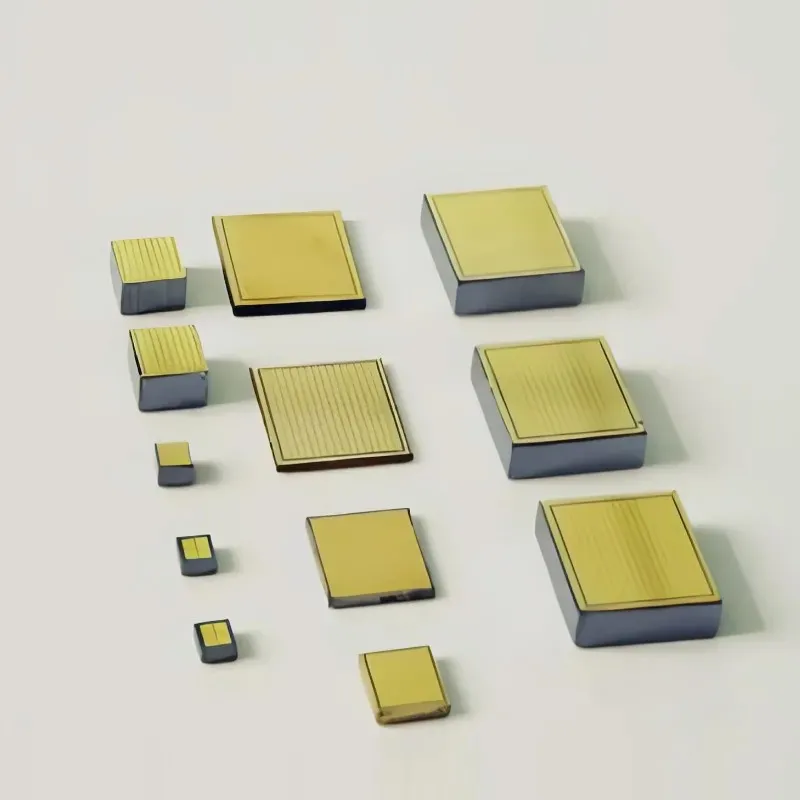
SiPM Coupled GAGG Detector Performance
In the world of advanced detection technologies, the performance of SiPM coupled GAGG (Gallium Aluminium Garnet) detectors is pivotal. The integration of Silicon Photomultipliers (SiPMs) with GAGG crystals creates a powerhouse of sensitivity and versatility for various applications. This article explores the key factors influencing SiPM coupled GAGG detector performance, showcasing their
LEARN MORE
Future Trends in Digital PET Detector Technology
The future of digital PET detector technology is evolving rapidly. Nuclear detector modules play a crucial role in this transformation. These modules are essential for improving imaging and diagnostics in medical fields. As advancements in technology continue, we face unique challenges and opportunities. What are the latest trends that can shape these technologies? How will they impact medical
LEARN MORE
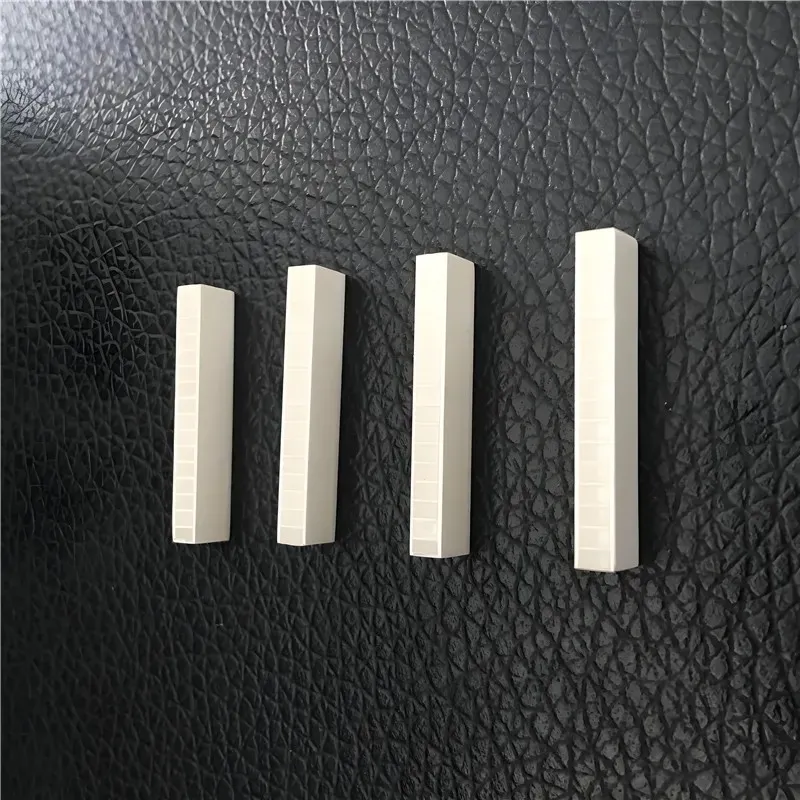
Custom LYSO Crystal Array for PET Detector Modules
The Custom LYSO Crystal Array is essential for enhancing the performance of PET detector modules. Many hospitals and research facilities struggle with the limitations of standard systems. They often need better image resolution and accuracy in medical imaging. The use of LYSO crystals can drastically improve these aspects. These crystals are known for their high stopping power. They also have
LEARN MORE
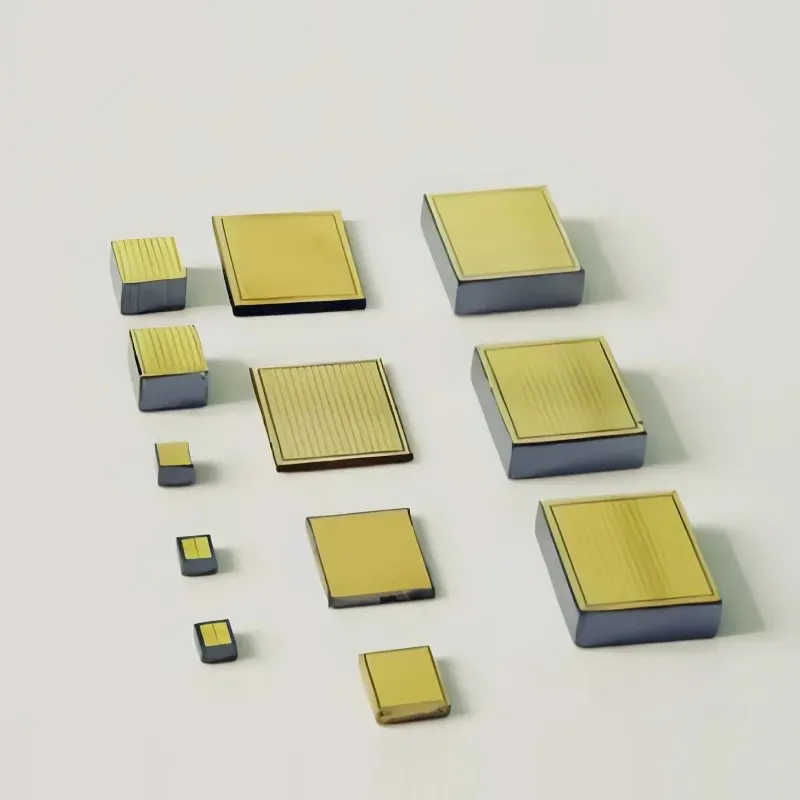
High Light Output LYSO Crystal for Medical Imaging
The high light output LYSO crystal is essential for medical imaging technology. Many people do not realize how crucial it is for accurate diagnoses. In the world of medical imaging, clarity and precision are vital. LYSO, or Lutetium Yttrium Oxyorthosilicate, plays a significant role in improving image resolution. Medical professionals depend on suc
LEARN MORE
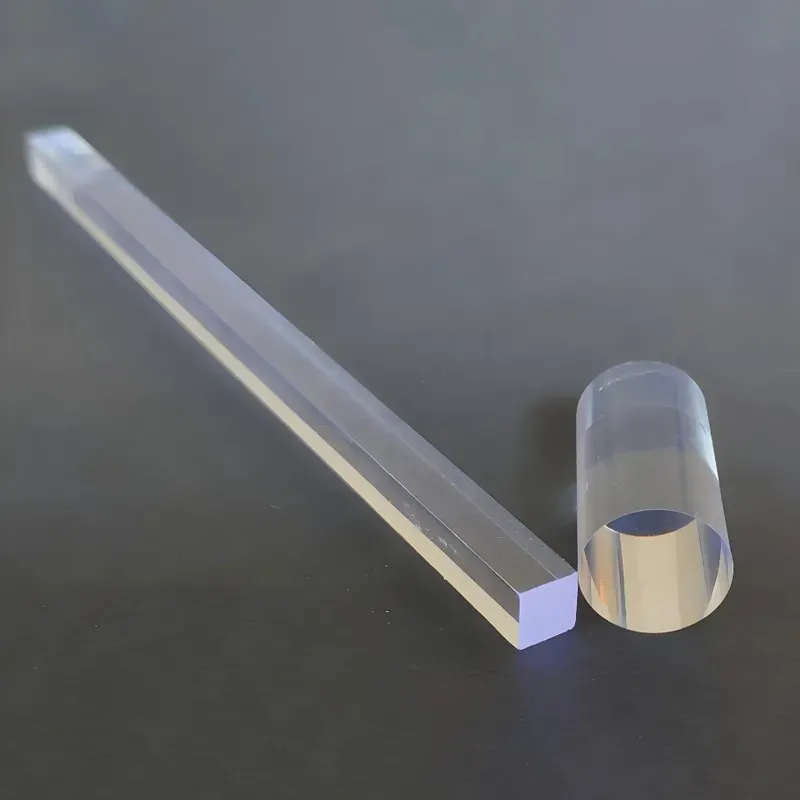
Portable Radiation Detector Using GAGG Crystal
Portable radiation detectors are crucial for ensuring safety in various environments. They help protect us from harmful radiation exposure. The GAGG crystal is a key component in these detectors due to its unique properties.
LEARN MORE
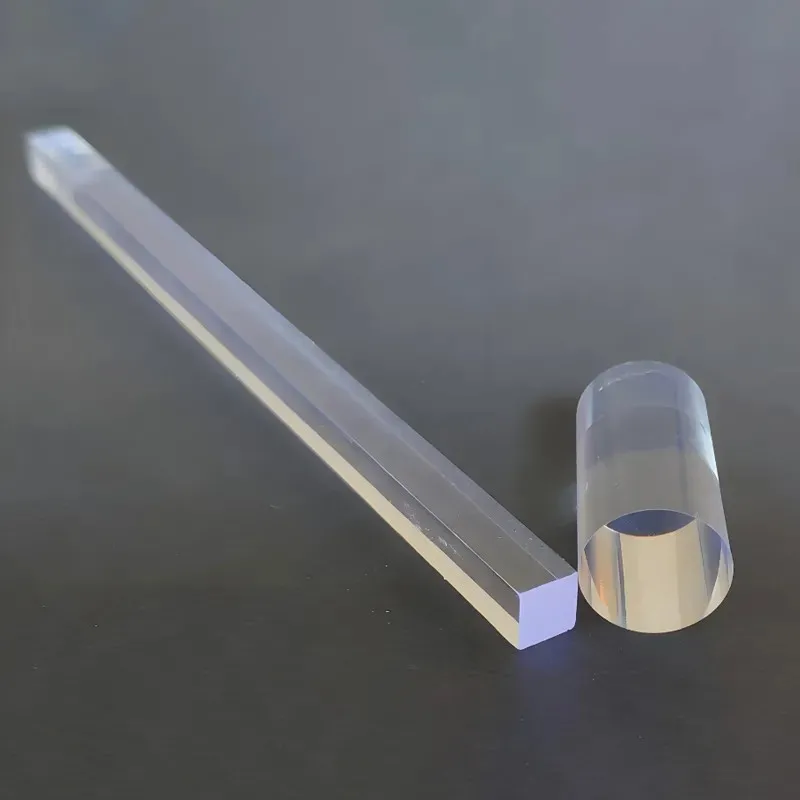
GAGG Crystal Supplier Selection Guide
When it comes to sourcing high-quality GAGG Crystal, making an informed choice of suppliers is crucial to ensure your projects meet the required standards.
LEARN MORE
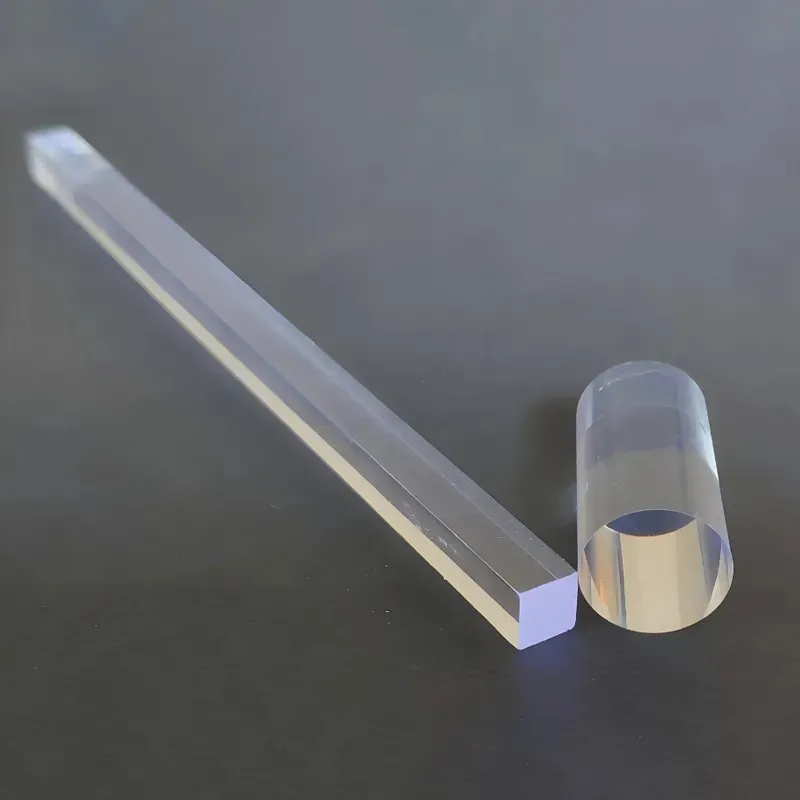
Best Scintillator Crystal for Small Animal PET
The best scintillator crystal for small animal PET is crucial for achieving accurate imaging. These crystals convert gamma rays into light, allowing us to visualize biological processes. Using the right scintillator can significantly improve the performance of Positron Emission Tomography (PET) scanners. Furthermore, it enhances sensitivity and resolution in imaging small animals like mice and
LEARN MORE
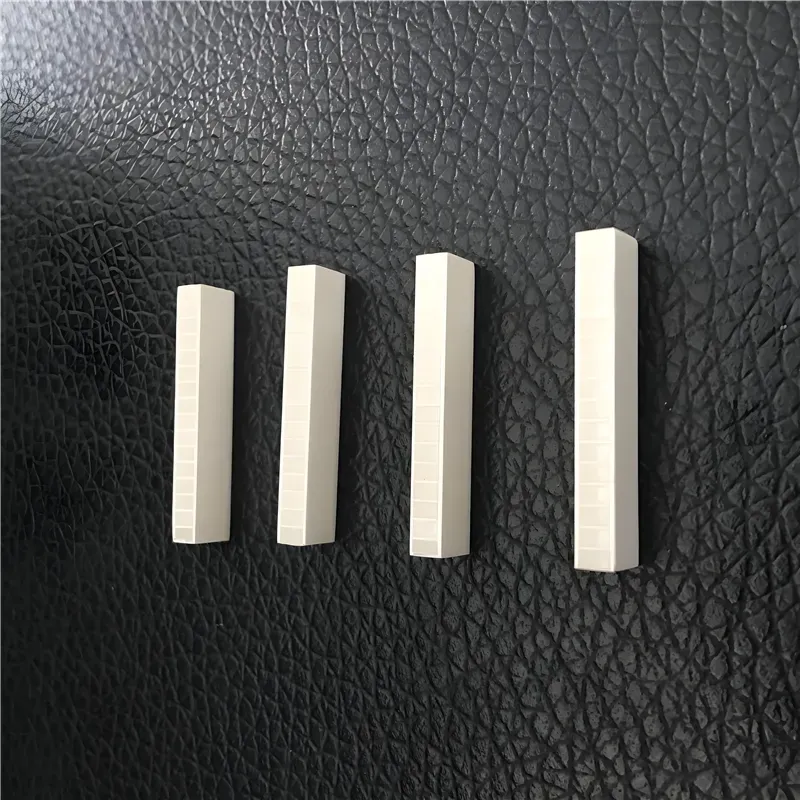
How SiPM Coupled LYSO Arrays Improve PET Detector Resolution
In the realm of medical imaging, particularly in Positron Emission Tomography (PET), users often face significant resolution challenges. Many radiologists and medical physicists experience frustration when their current detector systems fail to provide the high-resolution images necessary for accurate diagnosis. The adoption of LYSO (Lutetium Yttrium Oxyorthosilicate) crystals, coupled with SiPM
LEARN MORE
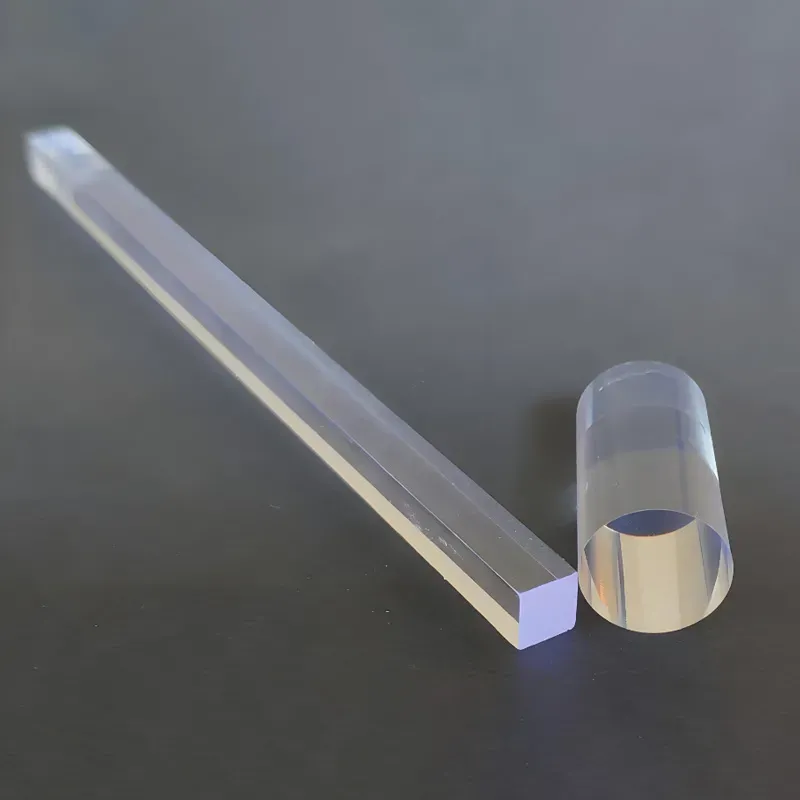
What Is LYSO Crystal? Properties and Applications Explained
The emergence of LYSO Crystal, a type of scintillation crystal material, has revolutionized various fields, particularly in medical imaging and radiation detection. Traditional materials such as NaI(Tl) have dominated the market for years with their efficiency. However, LYSO crystal offers numerous advantages—boasting significantly improved energ
LEARN MORE
Why LYSO Crystal Is Widely Used in TOF PET Systems
The realm of nuclear medicine detection has faced numerous challenges, particularly in accurately imaging and diagnosing conditions through Positron Emission Tomography (PET) systems. One significant pain point is the need for high sensitivity and resolution in imaging, which traditional systems often struggle to achieve. This is where LYSO (Lutetium Yttrium Oxyorthosilicate) crystal shines as a
LEARN MORE