
Dec. 22, 2025
In the rapidly evolving field of radiation detection, high performance Scintillation Crystals have emerged as pivotal components. These materials convert high-energy radiation into visible light, enabling accurate measurement and assessment of radiation levels. The significance of scintillation crystals lies in their application across a variety of industries, including nuclear medicine, security, and environmental monitoring.
High performance scintillation crystals have become essential in various scenarios, such as high-energy physics experiments where precision is paramount, and in medical diagnostics where clear imaging can enhance treatment outcomes. However, challenges often arise, such as reducing background noise and improving response speed. Addressing these pain points not only ensures optimal performance but also safeguards lives, making the development of more efficient scintillation materials crucial.
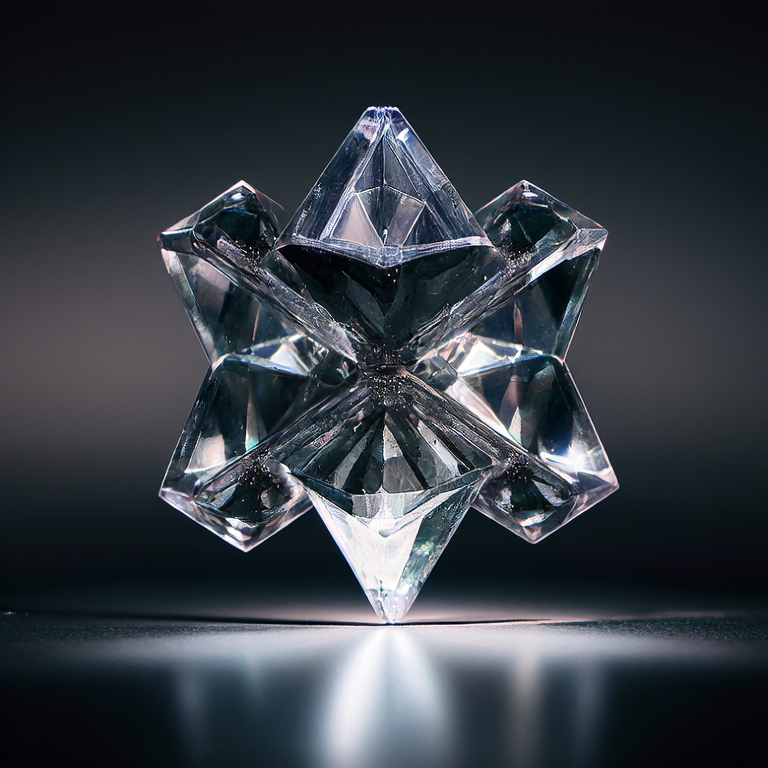
Scintillation crystals are materials that emit light when excited by radiation. The emission of light, or scintillation, occurs when an incident particle interacts with the crystal lattice, resulting in the excitation of electrons. When these electrons return to their ground state, they release energy in the form of visible light.
In the industry, there are several types of scintillation crystals, including Sodium Iodide (NaI), Bismuth Germanate (BGO), and Lutetium Oxyorthosilicate (LSO). Each type has distinct properties that make it suitable for specific applications. For instance, NaI(Tl) scintillators are highly efficient for gamma-ray detection, ensuring scintillation light output can reach 38,000 photons per MeV, which is critical for medical imaging applications.
High performance scintillation crystals find their utility across various fields:
Medical Imaging: In Positron Emission Tomography (PET) scans, lutetium oxyorthosilicate (LSO) crystals are used to improve imaging quality, helping diagnose conditions with an accuracy rate of approximately 90%.
Nuclear Industry: Scintillation detectors are used for monitoring radioactive emissions, ensuring compliance with safety regulations.
Security: High performance scintillation crystals are essential for radiation detection in security screening processes at airports, where response times must be under 1 second to address potential threats effectively.
Environmental Monitoring: They are utilized in detecting background radiation levels, helping ensure a safe environment for communities.
The importance of high performance scintillation crystals can be summarized through their numerous advantages:
Sensitivity and Efficiency: Modern scintillation crystals can achieve energy resolutions of less than 7% for gamma rays, significantly enhancing detection capabilities.
Speed: High performance scintillation crystals can respond to radiation in less than 5 nanoseconds, ensuring real-time monitoring.
Versatility: With a range of formulations available, these crystals can be tailored for specific applications, from low-energy gamma-ray detection to high-energy physics experiments.
Durability: Advanced scintillation materials exhibit low radiation damage and enhanced stability under varying environmental conditions.
To better understand and utilize high performance scintillation crystals, consulting the user manual or specific technical documentation is recommended. Users are encouraged to familiarize themselves with the crystal capabilities and maintenance requirements to optimize performance.
What materials are used in high performance scintillation crystals? Common materials include NaI(Tl), BGO, and LSO. Each type has unique properties suited for different applications.
How are scintillation crystals tested for efficacy? They are calibrated using standardized radiation sources, and their performance is measured through light output and energy resolution.
Can scintillation crystals be reused? Yes, if properly maintained, scintillation crystals can be reused multiple times in various measurements without significant degradation in performance.
For those looking to dive deeper into the world of high performance scintillation crystals, considering trial options from trusted brands like EBO can provide invaluable hands-on experience. By exploring these advanced materials, individuals and organizations can significantly enhance their radiation detection capabilities and ensure safety across various applications.
Latest News
Future Trends in Digital PET Detector Technology
The future of digital PET detector technology is evolving rapidly. Nuclear detector modules play a crucial role in this transformation. These modules are essential for improving imaging and diagnostics in medical fields. As advancements in technology continue, we face unique challenges and opportunities. What are the latest trends that can shape these technologies? How will they impact medical
LEARN MORE
Custom LYSO Crystal Array for PET Detector Modules
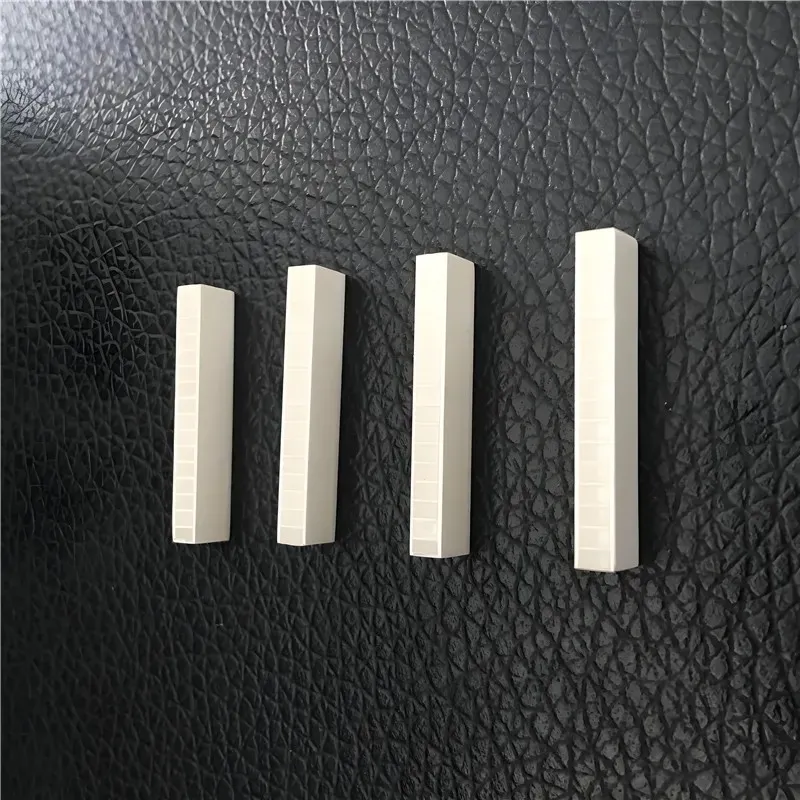
The Custom LYSO Crystal Array is essential for enhancing the performance of PET detector modules. Many hospitals and research facilities struggle with the limitations of standard systems. They often need better image resolution and accuracy in medical imaging. The use of LYSO crystals can drastically improve these aspects. These crystals are known for their high stopping power. They also have
LEARN MORE
High Light Output LYSO Crystal for Medical Imaging
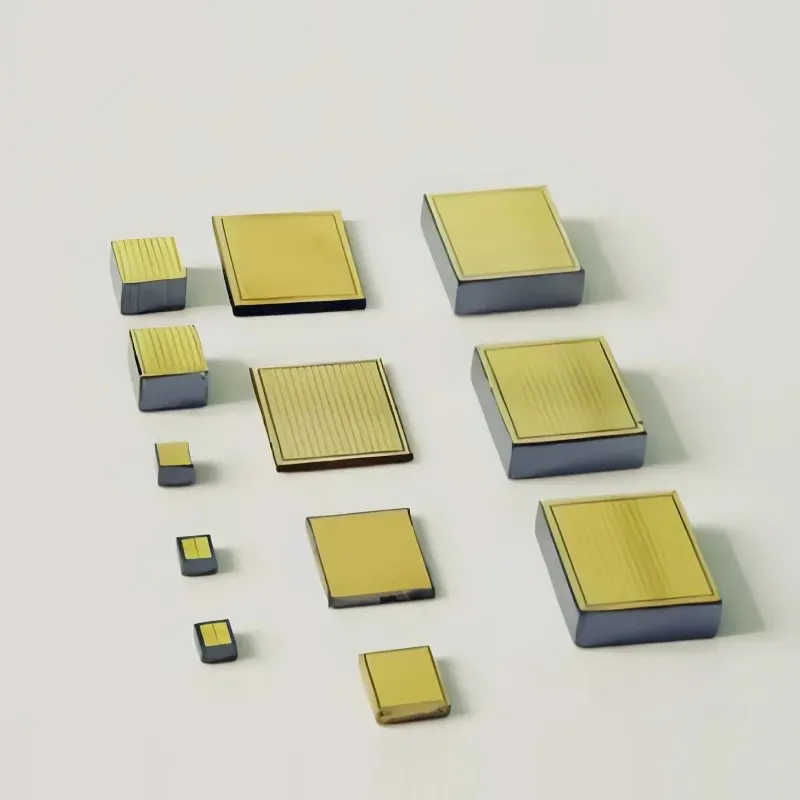
The high light output LYSO crystal is essential for medical imaging technology. Many people do not realize how crucial it is for accurate diagnoses. In the world of medical imaging, clarity and precision are vital. LYSO, or Lutetium Yttrium Oxyorthosilicate, plays a significant role in improving image resolution. Medical professionals depend on suc
LEARN MORE
Portable Radiation Detector Using GAGG Crystal
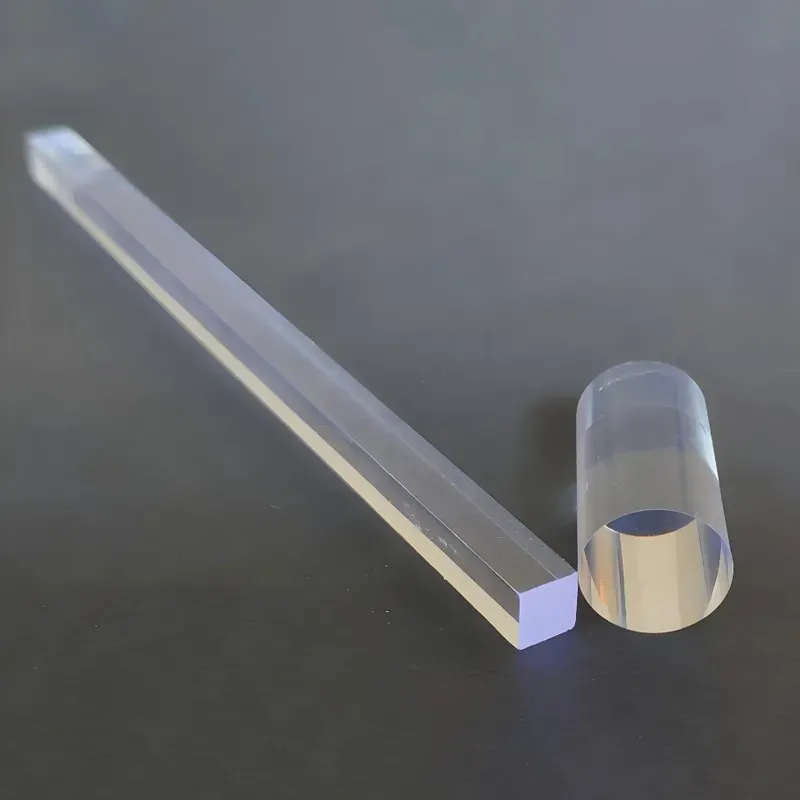
Portable radiation detectors are crucial for ensuring safety in various environments. They help protect us from harmful radiation exposure. The GAGG crystal is a key component in these detectors due to its unique properties.
LEARN MORE
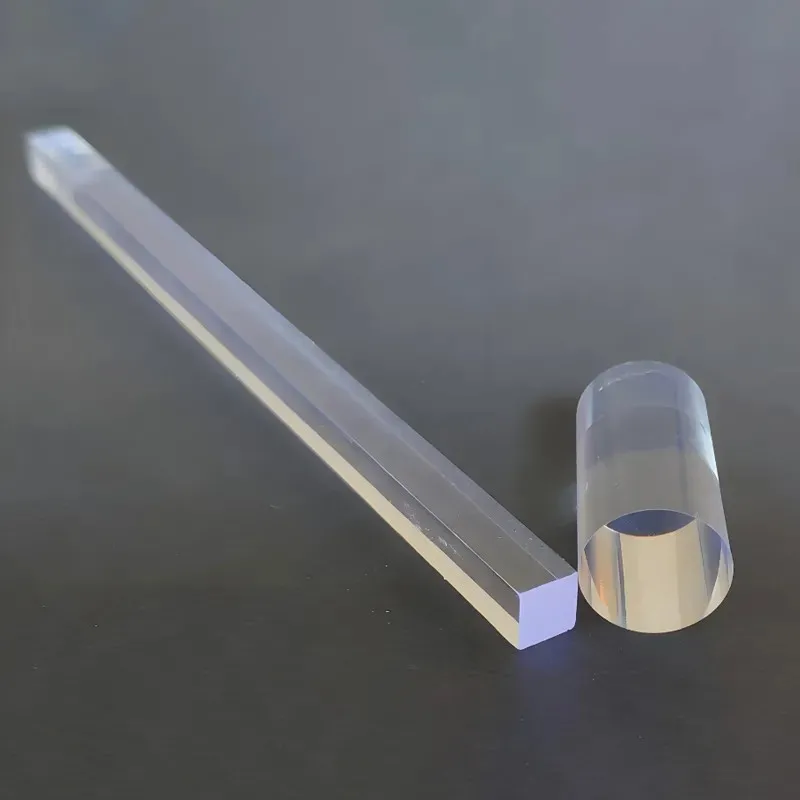
GAGG Crystal Supplier Selection Guide
When it comes to sourcing high-quality GAGG Crystal, making an informed choice of suppliers is crucial to ensure your projects meet the required standards.
LEARN MORE
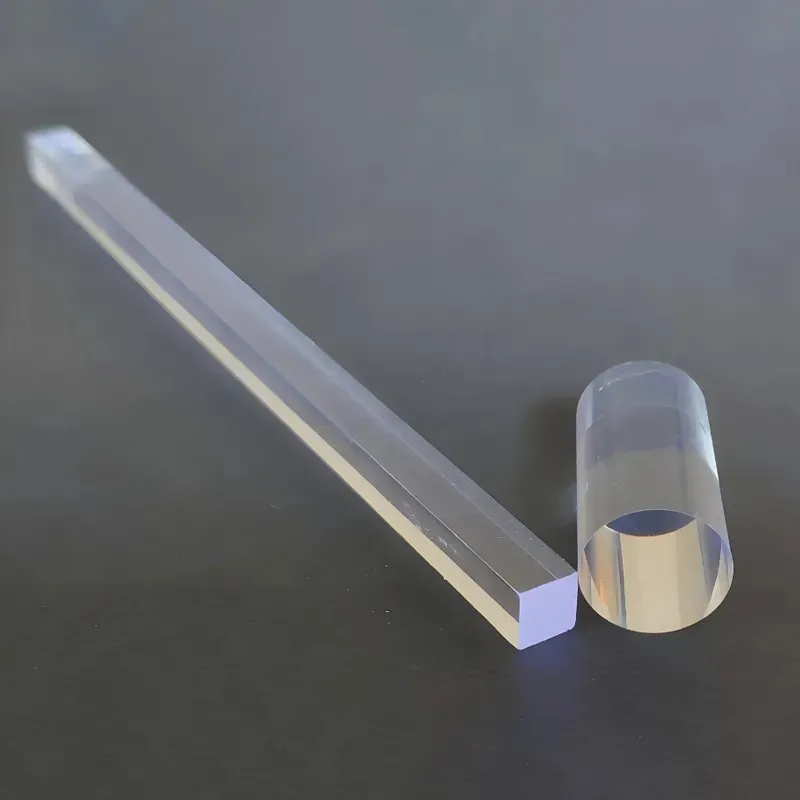
Best Scintillator Crystal for Small Animal PET
The best scintillator crystal for small animal PET is crucial for achieving accurate imaging. These crystals convert gamma rays into light, allowing us to visualize biological processes. Using the right scintillator can significantly improve the performance of Positron Emission Tomography (PET) scanners. Furthermore, it enhances sensitivity and resolution in imaging small animals like mice and
LEARN MORE
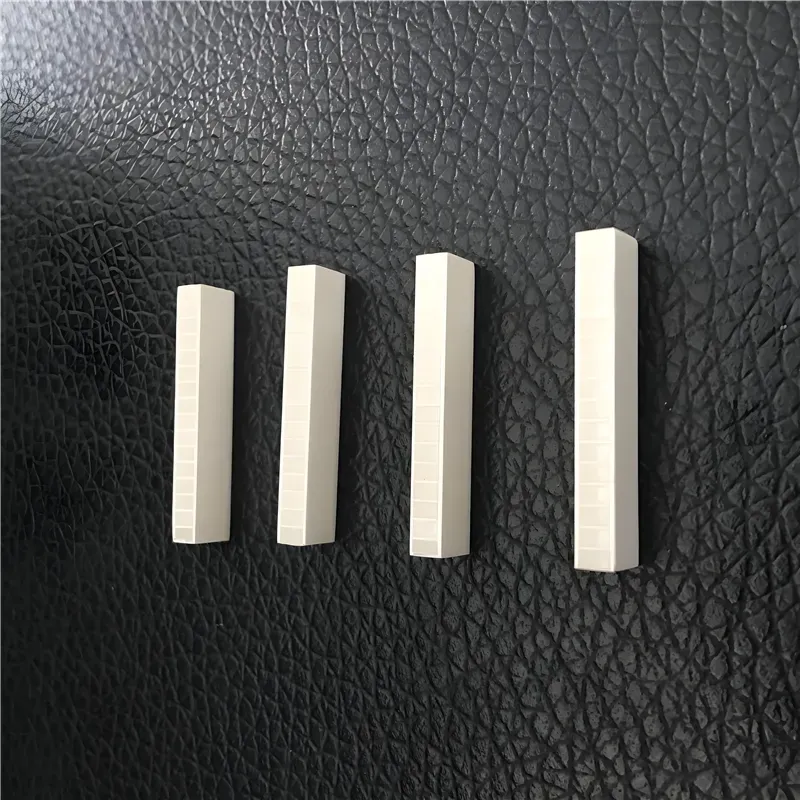
How SiPM Coupled LYSO Arrays Improve PET Detector Resolution
In the realm of medical imaging, particularly in Positron Emission Tomography (PET), users often face significant resolution challenges. Many radiologists and medical physicists experience frustration when their current detector systems fail to provide the high-resolution images necessary for accurate diagnosis. The adoption of LYSO (Lutetium Yttrium Oxyorthosilicate) crystals, coupled with SiPM
LEARN MORE
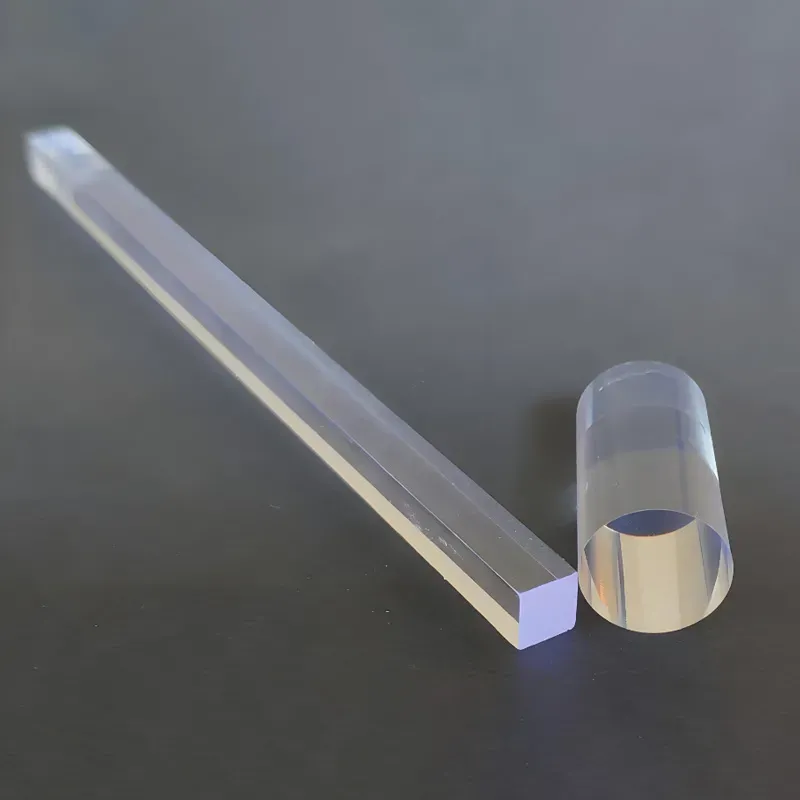
What Is LYSO Crystal? Properties and Applications Explained
The emergence of LYSO Crystal, a type of scintillation crystal material, has revolutionized various fields, particularly in medical imaging and radiation detection. Traditional materials such as NaI(Tl) have dominated the market for years with their efficiency. However, LYSO crystal offers numerous advantages—boasting significantly improved energ
LEARN MORE
Why LYSO Crystal Is Widely Used in TOF PET Systems
The realm of nuclear medicine detection has faced numerous challenges, particularly in accurately imaging and diagnosing conditions through Positron Emission Tomography (PET) systems. One significant pain point is the need for high sensitivity and resolution in imaging, which traditional systems often struggle to achieve. This is where LYSO (Lutetium Yttrium Oxyorthosilicate) crystal shines as a
LEARN MORE
LYSO vs BGO Crystal: Which Is Better for PET Imaging?
LYSO (Lutetium Yttrium Oxyorthosilicate) and BGO (Bismuth Germanate) crystals are both commonly used materials in positron emission tomography (PET) imaging. Their distinct properties influence the performance and quality of images produced during medical diagnostics.
LEARN MORE