
Jul. 08, 2026
The emergence of LYSO Crystal, a type of scintillation crystal material, has revolutionized various fields, particularly in medical imaging and radiation detection. Traditional materials such as NaI(Tl) have dominated the market for years with their efficiency. However, LYSO crystal offers numerous advantages—boasting significantly improved energy resolution and faster responses. Specifically, LYSO crystals have a measured light yield of around 30,000 photons/MeV, outperforming many traditional scintillators. This article aims to explain what LYSO crystal is, its properties, applications, and why it plays a crucial role in modern technology.
LYSO stands for Lutetium Yttrium Oxyorthosilicate, a compound known for its excellent scintillation properties. Scintillation crystals are materials that exhibit the property of scintillation, which means they can emit light when they absorb ionizing radiation. This light output is directly proportional to the energy of the incoming radiation.
Scintillation: The process in which certain materials emit light when excited by radiation.
Light Yield: The quantity of light produced per unit energy absorbed. LYSO crystals exhibit a light yield of about 30,000 photons/MeV.
Energy Resolution: Measured in terms of Full Width at Half Maximum (FWHM), LYSO has a resolution that is significantly better than many traditional materials, often around 8% at 662 keV for gamma rays.
LYSO crystals are utilized in several critical applications:
Medical Imaging: In positron emission tomography (PET), LYSO crystals are used to enhance image quality. Studies show that using LYSO improves the spatial resolution of images, thus allowing for more accurate diagnosis.
Radiation Detection: In nuclear safety and detection applications, LYSO crystals are employed due to their quick response time, which can be measured at around 40 ns. This swift response ensures real-time monitoring of radiation levels.
Scientific Research: LYSO is widely used in high-energy physics experiments due to its superior performance in detecting gamma rays and other particles.
The advantages of LYSO crystals set them apart in the field of scintillation materials:
High Light Yield: With a measured light yield of 30,000 photons/MeV, LYSO provides clearer, brighter signals than traditional materials, enhancing the accuracy of measurement.
Fast Response Time: LYSO crystals have a measured decay time of about 40 ns, making them suitable for high-rate applications where time is of the essence.
Robustness and Durability: LYSO boasts a high radiation resistance, ensuring long-term performance even in high-radiation environments.
These properties make LYSO crystals vital for advancements in medical technologies, nuclear safety, and scientific exploration.
Understanding the properties and applications of LYSO crystals is just the beginning. For detailed guidance on using LYSO in your specific applications, refer to the product user guide available on the EBO website.
LYSO crystals offer higher light yield and better energy resolution than many traditional scintillators, making them more efficient for applications in medical imaging and radiation detection.
Yes, individuals interested in experimenting with LYSO crystals should consult the user guide provided by EBO for safer and more effective utilization.
While they are commonly deployed in sophisticated scientific fields, LYSO crystals are also accessible for educational and experimental uses.
For those looking to delve deeper into the world of scintillation crystals, consider exploring the extensive range of products offered by EBO. Try out LYSO crystal yourself and experience the unyielding advantages it can provide.
This article serves as a comprehensive guide for understanding LYSO crystals, their properties, and applications while offering practical insights into their importance in various fields.
Latest News
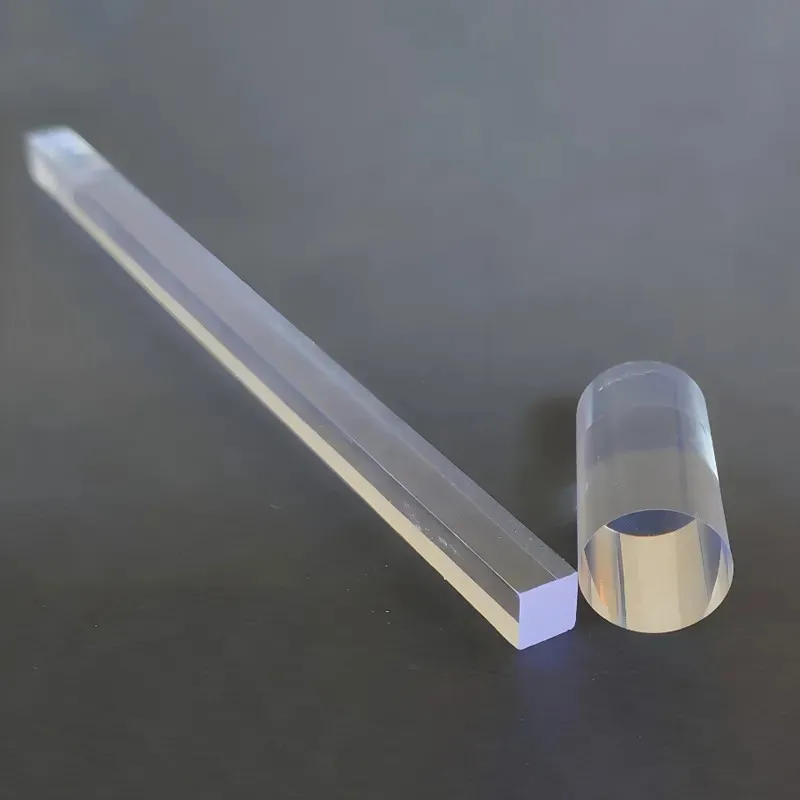
Portable Radiation Detector Using GAGG Crystal
Portable radiation detectors are crucial for ensuring safety in various environments. They help protect us from harmful radiation exposure. The GAGG crystal is a key component in these detectors due to its unique properties.
LEARN MORE
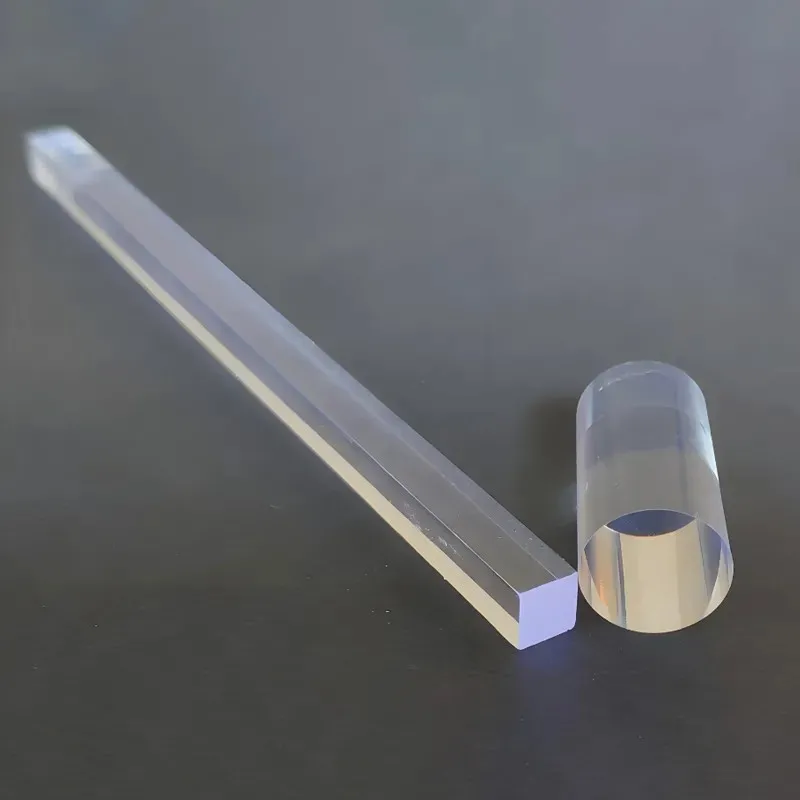
GAGG Crystal Supplier Selection Guide
When it comes to sourcing high-quality GAGG Crystal, making an informed choice of suppliers is crucial to ensure your projects meet the required standards.
LEARN MORE
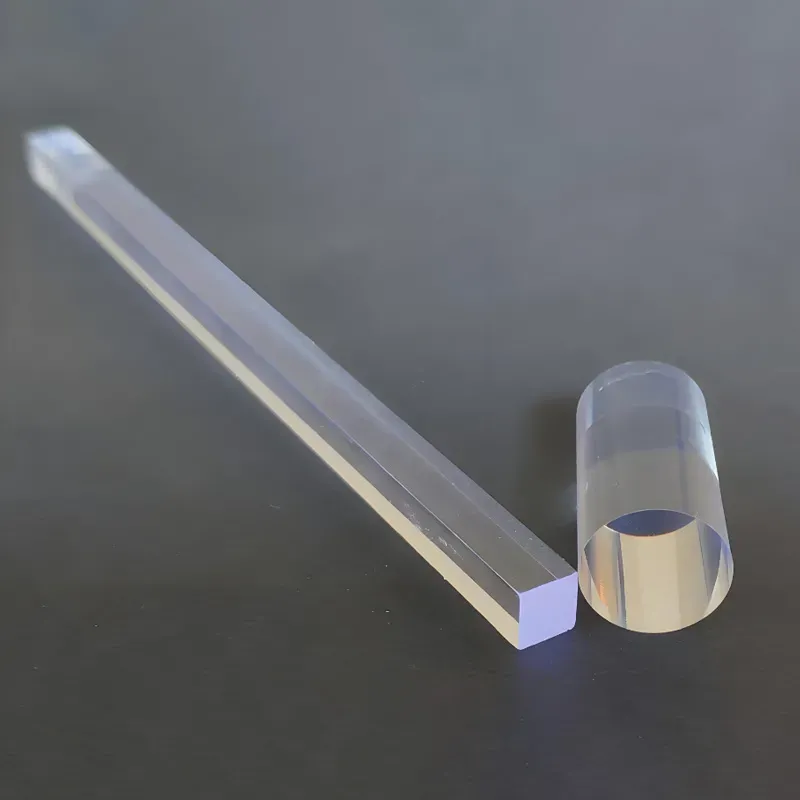
Best Scintillator Crystal for Small Animal PET
The best scintillator crystal for small animal PET is crucial for achieving accurate imaging. These crystals convert gamma rays into light, allowing us to visualize biological processes.
LEARN MORE
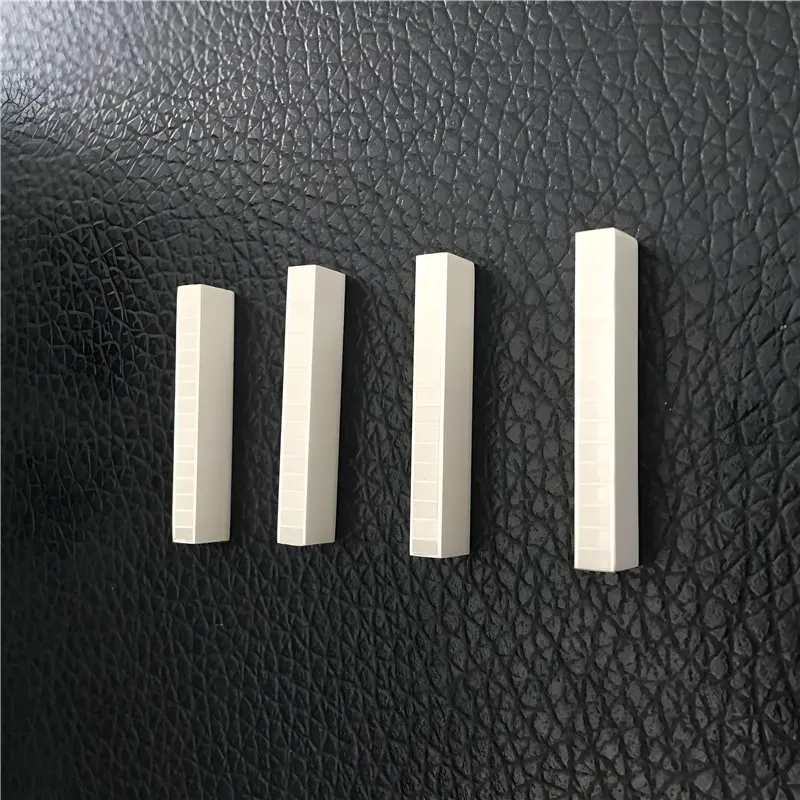
How SiPM Coupled LYSO Arrays Improve PET Detector Resolution
In the realm of medical imaging, particularly in Positron Emission Tomography (PET), users often face significant resolution challenges. Many radiologists and medical physicists experience frustration when their current detector systems fail to provide the high-resolution images necessary for accurate diagnosis. The adoption of LYSO (Lutetium Yttrium Oxyorthosilicate) crystals, coupled with SiPM
LEARN MORE
What Is LYSO Crystal? Properties and Applications Explained
The emergence of LYSO Crystal, a type of scintillation crystal material, has revolutionized various fields, particularly in medical imaging and radiation detection. Traditional materials such as NaI(Tl) have dominated the market for years with their efficiency. However, LYSO crystal offers numerous advantages—boasting significantly improved energ
LEARN MORE
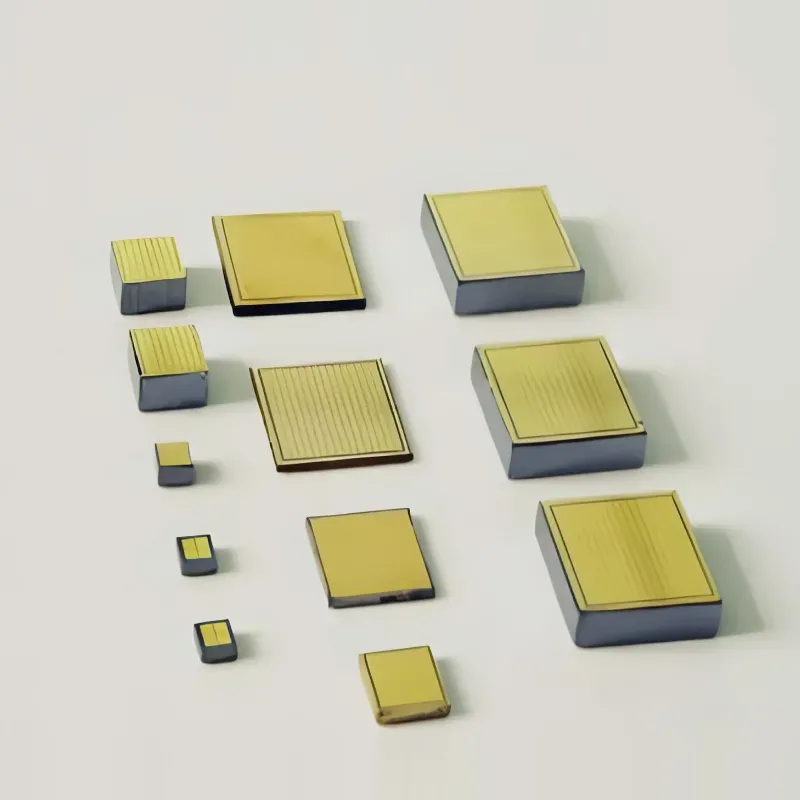
Why LYSO Crystal Is Widely Used in TOF PET Systems
The realm of nuclear medicine detection has faced numerous challenges, particularly in accurately imaging and diagnosing conditions through Positron Emission Tomography (PET) systems. One significant pain point is the need for high sensitivity and resolution in imaging, which traditional systems often struggle to achieve. This is where LYSO (Lutetium Yttrium Oxyorthosilicate) crystal shines as a
LEARN MORE
LYSO vs BGO Crystal: Which Is Better for PET Imaging?
LYSO (Lutetium Yttrium Oxyorthosilicate) and BGO (Bismuth Germanate) crystals are both commonly used materials in positron emission tomography (PET) imaging. Their distinct properties influence the performance and quality of images produced during medical diagnostics.
LEARN MORE

The 2025 IEEE Nuclear Science Symposium, Medical Imaging Conference and International Symposium on Room-Temperature Semiconductor Detectors (2025 IEEE NSS MIC RTSD) will take place at Pacifico Yokohama Conference Center from 1 to 8 November 2025.
LEARN MORE

How Does GAGG (Ce) Crystal Improve PET Imaging Sensitivity?
Gadolinium Aluminum Gallium Garnet (GAGG) crystals doped with Cerium (Ce) have emerged as a powerful material for improving the sensitivity of Positron Emission Tomography (PET) imaging. PET imaging is an essential diagnostic tool used in various medical fields, including oncology, cardiology, and neurology.
LEARN MORE

How Do LYSO (CE) Crystals Improve Imaging Resolution?
LYSO (Lutetium Yttrium Oxyorthosilicate) crystals doped with Cerium (Ce) have become a cornerstone in the world of medical and scientific imaging, particularly in positron emission tomography (PET) and other advanced imaging systems.
LEARN MORE