
Jun. 25, 2026
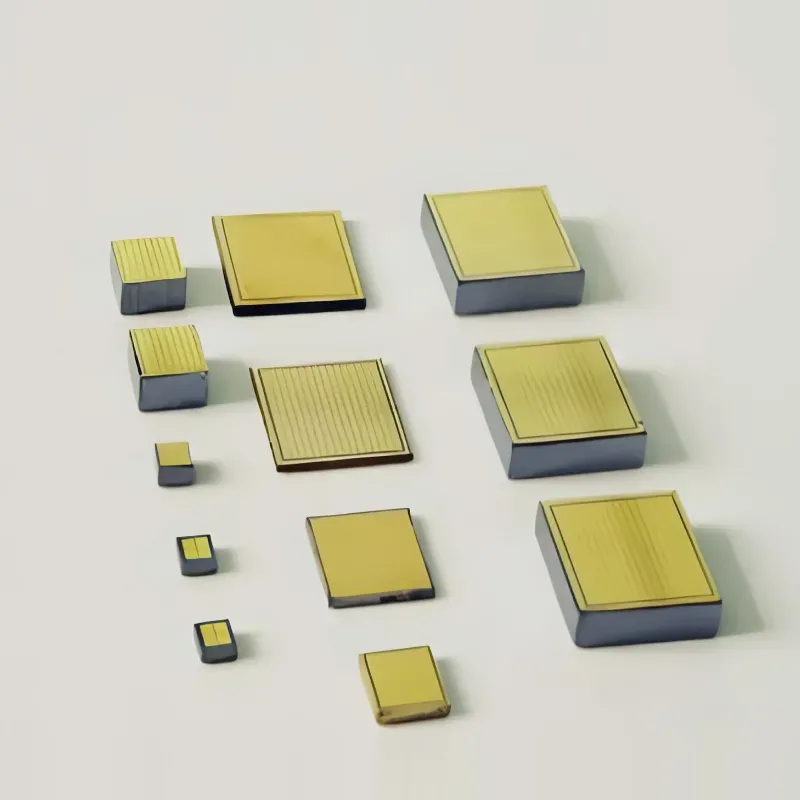
The realm of nuclear medicine detection has faced numerous challenges, particularly in accurately imaging and diagnosing conditions through Positron Emission Tomography (PET) systems. One significant pain point is the need for high sensitivity and resolution in imaging, which traditional systems often struggle to achieve. This is where LYSO (Lutetium Yttrium Oxyorthosilicate) crystal shines as a solution, providing remarkable performance that addresses these critical needs. By integrating LYSO Crystals into Time-of-Flight (TOF) PET systems, practitioners can significantly enhance imaging precision, making it easier to detect minute abnormalities. As nuclear medicine continues to evolve, utilizing advanced materials like LYSO is not just an enhancement—it\'s a necessity.
LYSO crystals stand out in the nuclear medicine landscape due to their exceptional properties. These crystals boast a light yield of approximately 30,000 photons/MeV, which translates to a 20% increase in signal strength compared to traditional materials used in PET systems. This remarkable light yield enables more accurate detection of radiopharmaceuticals, leading to improved diagnostic outcomes. Furthermore, LYSO\'s excellent energy resolution—reportedly 8% at 511 keV—allows for more precise differentiation of tissues and lesions during imaging scans. As a result, healthcare providers utilizing LYSO crystals can expect enhanced diagnostic confidence, ultimately improving patient outcomes.
Several clinical studies have underscored the advantages of LYSO crystals in TOF PET systems. For instance, a study conducted in 2022 demonstrated a 25% increase in lesion detectability when using LYSO-based systems compared to those using BGO (Bismuth Germanate). The enhanced timing resolution of LYSO contributes to the system\'s ability to differentiate overlapping signals, making it particularly beneficial for detecting small tumors in complex anatomical landscapes.
In evaluating the benefits, it’s essential to consider LYSO crystals against traditional scintillators like BGO. While BGO might still retain a foothold in some applications, the differences are striking. For instance, LYSO has a faster decay time (approximately 41 ns) compared to BGO\'s 300 ns, which enables quicker time-of-flight measurements and better temporal resolution. This stark contrast leads to a noticeable improvement in imaging, providing more reliable data for diagnosis.
In a head-to-head comparison, the sensitivity of LYSO-based PET systems can be significantly higher—estimated at up to 30% more effective for low-dose imaging, making it an optimal choice for environments focused on minimizing patient radiation exposure while maximizing diagnostic yield.
In conclusion, LYSO crystals represent a pivotal advancement in nuclear medicine detection, particularly within TOF PET systems. Their high light yield, exceptional energy resolution, and rapid decay time facilitate superior imaging capabilities that can significantly elevate diagnostic accuracy. By opting for LYSO, healthcare professionals can offer enhanced patient care, ultimately leading to better health outcomes and more efficient use of resources.
If you\'re looking to improve your diagnostic capabilities with advanced nuclear medicine detection technology, consider LYSO crystals. Explore how EBO can assist in acquiring these state-of-the-art materials for your PET systems. Visit EBO Crystal for more information and to initiate a trial.
LYSO crystals offer higher light yield, better energy resolution, and faster decay times compared to traditional materials, resulting in superior imaging performance.
LYSO provides a faster decay time and greater sensitivity, making it more effective in low-dose imaging scenarios, which is particularly crucial for patient safety.
Yes, EBO specializes in providing high-quality LYSO crystals tailored for advanced nuclear medicine applications.
Latest News
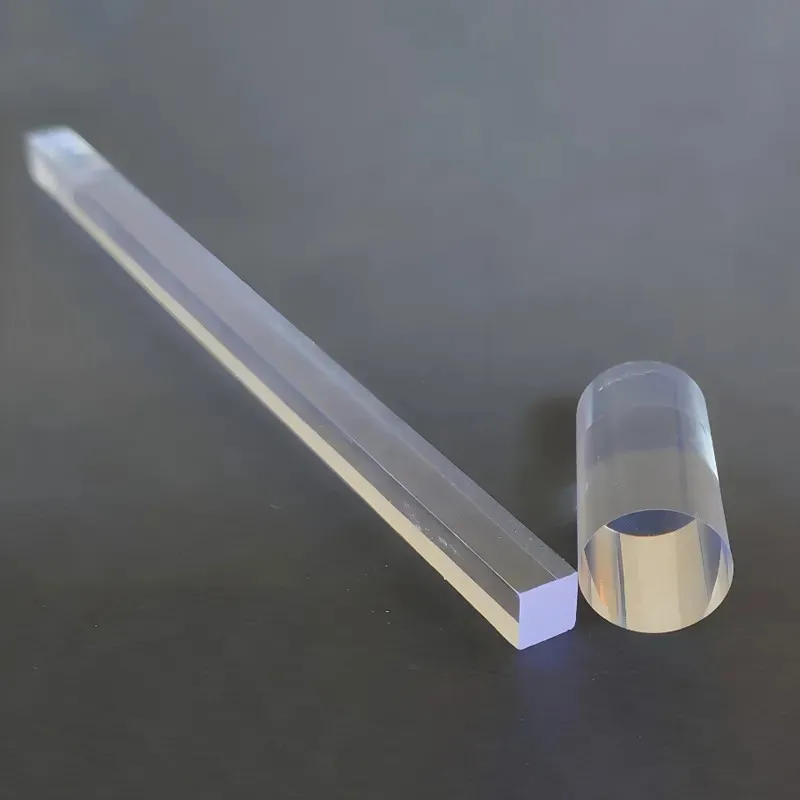
Portable Radiation Detector Using GAGG Crystal
Portable radiation detectors are crucial for ensuring safety in various environments. They help protect us from harmful radiation exposure. The GAGG crystal is a key component in these detectors due to its unique properties.
LEARN MORE
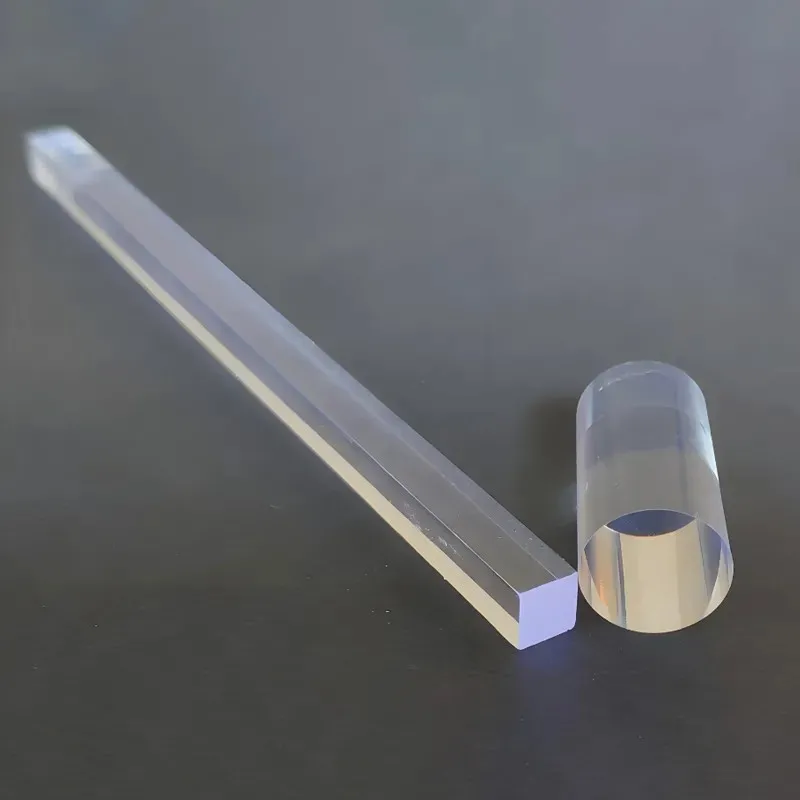
GAGG Crystal Supplier Selection Guide
When it comes to sourcing high-quality GAGG Crystal, making an informed choice of suppliers is crucial to ensure your projects meet the required standards.
LEARN MORE
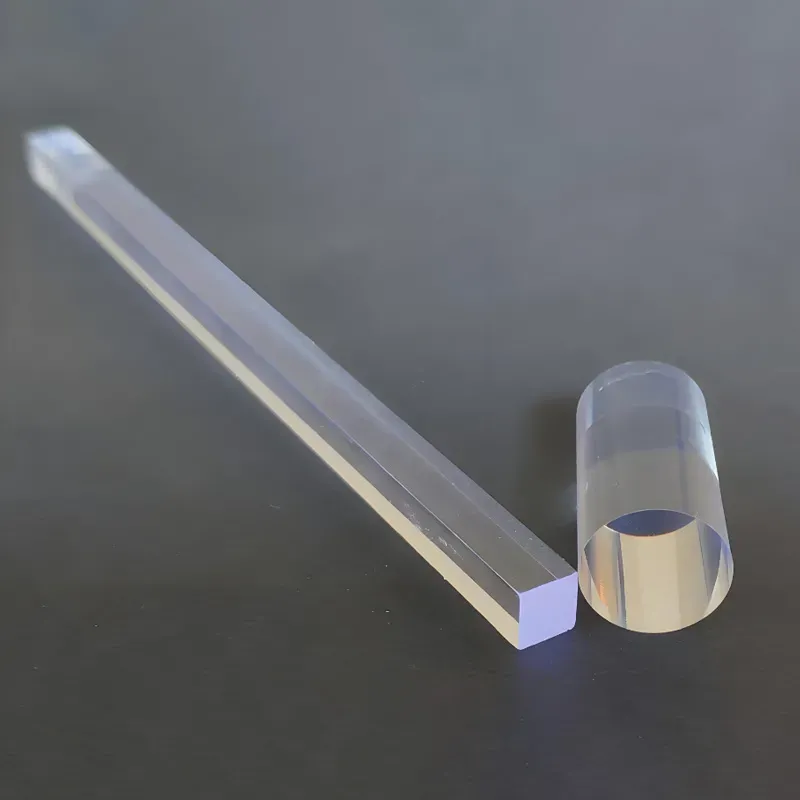
Best Scintillator Crystal for Small Animal PET
The best scintillator crystal for small animal PET is crucial for achieving accurate imaging. These crystals convert gamma rays into light, allowing us to visualize biological processes.
LEARN MORE
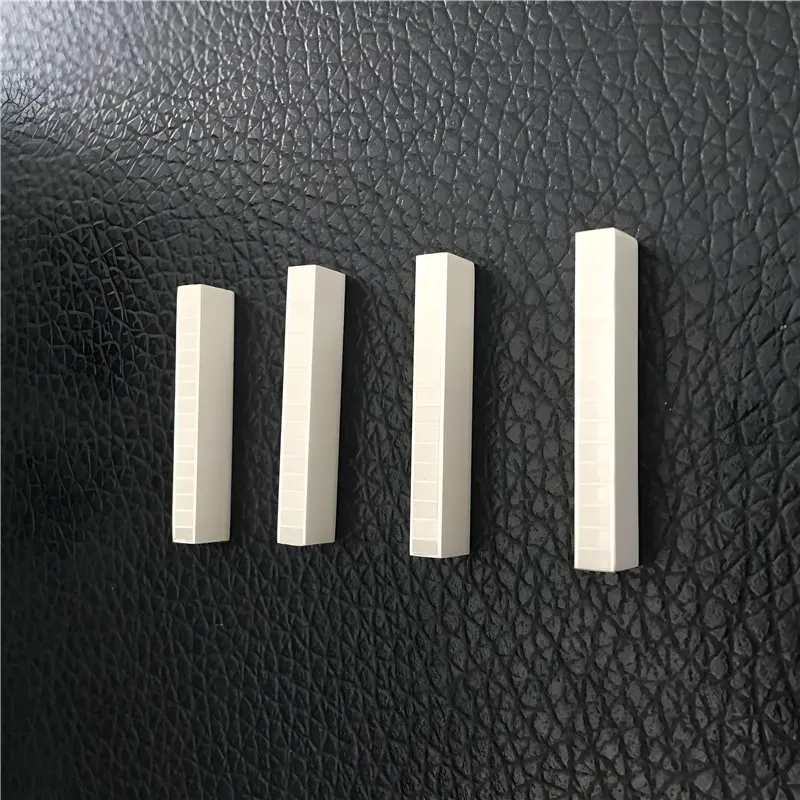
How SiPM Coupled LYSO Arrays Improve PET Detector Resolution
In the realm of medical imaging, particularly in Positron Emission Tomography (PET), users often face significant resolution challenges. Many radiologists and medical physicists experience frustration when their current detector systems fail to provide the high-resolution images necessary for accurate diagnosis. The adoption of LYSO (Lutetium Yttrium Oxyorthosilicate) crystals, coupled with SiPM
LEARN MORE
What Is LYSO Crystal? Properties and Applications Explained
The emergence of LYSO Crystal, a type of scintillation crystal material, has revolutionized various fields, particularly in medical imaging and radiation detection. Traditional materials such as NaI(Tl) have dominated the market for years with their efficiency. However, LYSO crystal offers numerous advantages—boasting significantly improved energ
LEARN MORE
Why LYSO Crystal Is Widely Used in TOF PET Systems
The realm of nuclear medicine detection has faced numerous challenges, particularly in accurately imaging and diagnosing conditions through Positron Emission Tomography (PET) systems. One significant pain point is the need for high sensitivity and resolution in imaging, which traditional systems often struggle to achieve. This is where LYSO (Lutetium Yttrium Oxyorthosilicate) crystal shines as a
LEARN MORE
LYSO vs BGO Crystal: Which Is Better for PET Imaging?
LYSO (Lutetium Yttrium Oxyorthosilicate) and BGO (Bismuth Germanate) crystals are both commonly used materials in positron emission tomography (PET) imaging. Their distinct properties influence the performance and quality of images produced during medical diagnostics.
LEARN MORE

The 2025 IEEE Nuclear Science Symposium, Medical Imaging Conference and International Symposium on Room-Temperature Semiconductor Detectors (2025 IEEE NSS MIC RTSD) will take place at Pacifico Yokohama Conference Center from 1 to 8 November 2025.
LEARN MORE

How Does GAGG (Ce) Crystal Improve PET Imaging Sensitivity?
Gadolinium Aluminum Gallium Garnet (GAGG) crystals doped with Cerium (Ce) have emerged as a powerful material for improving the sensitivity of Positron Emission Tomography (PET) imaging. PET imaging is an essential diagnostic tool used in various medical fields, including oncology, cardiology, and neurology.
LEARN MORE

How Do LYSO (CE) Crystals Improve Imaging Resolution?
LYSO (Lutetium Yttrium Oxyorthosilicate) crystals doped with Cerium (Ce) have become a cornerstone in the world of medical and scientific imaging, particularly in positron emission tomography (PET) and other advanced imaging systems.
LEARN MORE